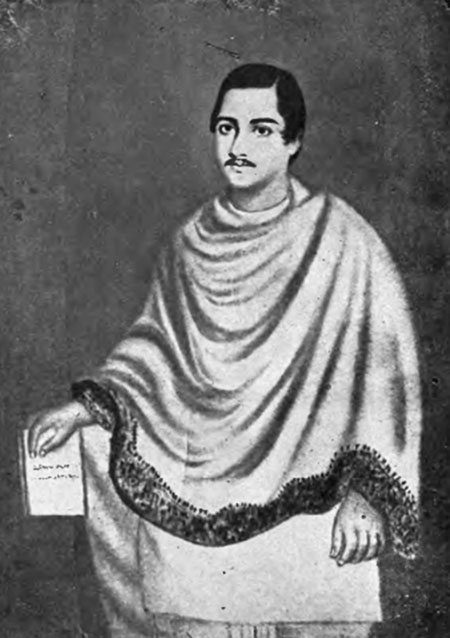
Kaliprasanna Singha (1840 - 1870), the celebrated author of Hutom Pyanchar Naksha (1862), is the person whose name stands very high amidst the makers of Bengali literature. He is most remembered for the translation of the great epic, Mahabharata to Bengali. July 24 is this legendary person's death anniversary and we tribute to him, one of the torchbearers of Bengalee literature.
He was a multi-faceted personality as he was an author, editor, publisher, philanthropist, social worker, and great patron of art, literature and culture. He edited or published several magazines like Vidyotsahini Patrika, Paridarshak, Sarvatattwa Prakashika, Bibidhartha Samgraha.
He was born in 1840 in the renowned 'Singha' family in North Kolkata. His family was rich and famous. From his early life only he had been devoted student of English, his knowledge of both Sanskrit and English above the limitations of the ordinary. One of the contemporaries of Iswar Chandra Vidyasagar, were Rajendralal Mitra and Kaliprasanna Singha, both prominent in their time with the contemporary Bengalis, actively engaged in social development, including the advancement of literature. Kaliprasanna reviewed Meghnadvadh Kabya.
He was only thirteen years old when he established the Vidyotsahini Sabha, a society to discuss significant issues of the day. Later on, he entered the cultural milieu of Kolkata through Vidyotsahini Patrik , established in 1855, a periodical, and Vidyotsahini Theatre , established in 1856. He edited magazines such as Sarbatattva Prakashika (which dealt with Zoology, Geology, Arts and Literature), Bibidartha Sangraha, Paridarshak, etc. When Rev. Long was fined Rs.1000, a huge sum, for translating Dinabandhu Mitra's play Neel-Darpan, it was Kaliprasanna who paid the fine on behalf of Rev. Long. Kaliprasanna also supported Harish Mukherjee, editor of Hindu Patriot in many ways.
His plays include Vikramorvashi, Sabitri Satyaban, Malati Madhav and Babu. He advocated widow remarriage. Kaliprasanna was appointed as an Honorary Magistrate and Justice of Peace. He has also served as the Chief Presidency Magistrate of Calcutta for some period.
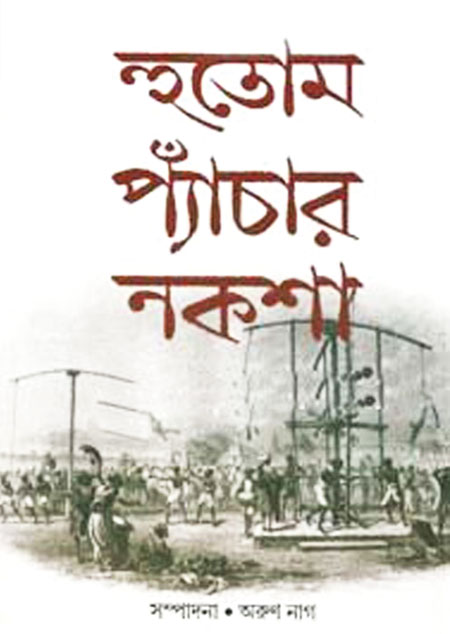
His sharp satire Hutom Pyanchar Naksha, written under a pen-name, has been in print and in demand ever since. In this book, Kaliprasanna used colloquial Bengali instead of the Sanskrit-laden language more usual at that time. It was a series of sketches describing social life in contemporary Calcutta. It exposes the extravagance and immorality of the new-rich Bengali babu. He has a good command of the colloquial tongue. He was less concerned with form and style to be a good writer. Hutom Pyanchar Naksha has vivid and striking passages though it is a brilliant lampoon in a folksy style detailing in Kolkata dialect.
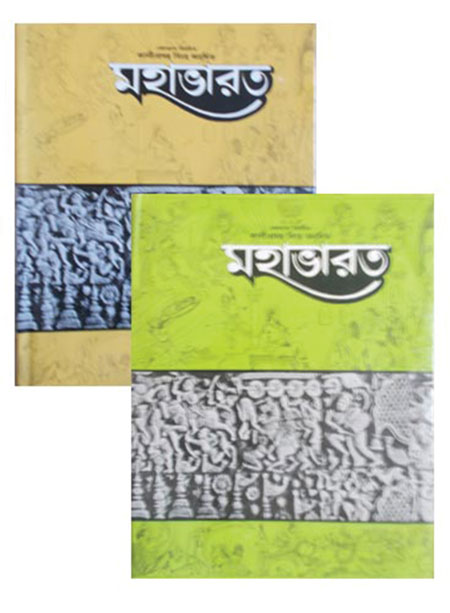
Encouraged by Ishwarchandra Vidyasagar, and with the help of a team of scholars such as Hemchandra Bhattacharya, Bhubanchandra Mukhopadhyay, and Nabinkrishna Bandyopadhyay, Kaliprasanna translated into Bengali The Mahabharata from the original Sanskrit. This is a huge contribution, and this book is popular till today.
Kaliprasanna's character occupies a significant part of Sunil Gangopadhayay's well known historical fiction Sei Samay, translated into English as Those Days by Aruna Chakravarty.
He died at the early age of thirty though he did a lot for the promotion of his native literature and culture. He edited several periodicals, the best was the Vidyotsdhini. He was the first to recognize the genius of Michael Madhusudan Dutta and honoured the poet in a public meeting.





