



| HEADLINE |

|

Government to provide honorariums to over 256,000 imams, muezzins


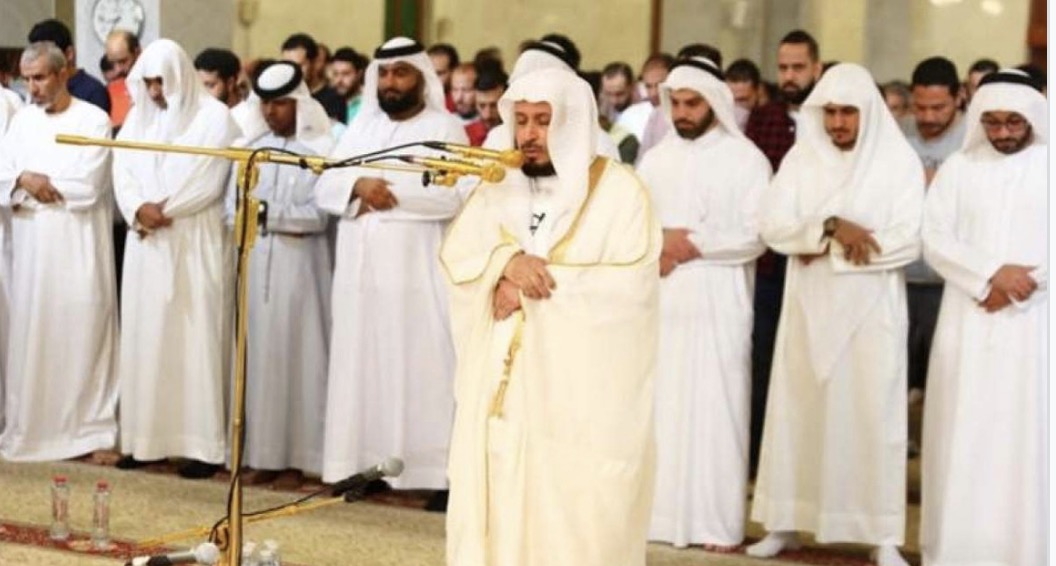
The government is bringing 256,000 imams, muezzins and khadims across the country under a government honorarium programme in the current fiscal year.
Information of around 210,000 beneficiaries has already been included in the programme, while efforts are underway to bring the remaining beneficiaries under its coverage by December.
Religious Affairs State Minister Mohammad Shamim Kaisar Lincoln disclosed the information while speaking to journalists after inaugurating the two-day International Islamic Grand Conference 2026, organised by Bangladesh Jamiat Ahle Hadith at Baipail in Ashulia, Savar, on Thursday.
The state minister said the government plans to gradually bring religious service providers from mosques, temples and other religious institutions under the honorarium programme over the next four fiscal years.
Referring to the government’s 31-point commitments, he said the initiative aims to honour religious service providers irrespective of religion and community, including imams, muezzins, khadims, priests, sevayets, pastors, assistant pastors, principals and vice-principals.
He added that religious service providers whose information has not yet been included in the programme would also receive honorariums, including arrears, from July.
Highlighting various government initiatives, Lincoln mentioned the Family Card programme, Farmers’ Card, improved healthcare policy, education reforms, plantation of 250 million trees and employment generation.
He said financial empowerment alone was not enough and stressed the importance of religious leaders in helping people distinguish between right and wrong.
Regarding coordination and recognition of madrasa education boards, the state minister said work was underway to coordinate and recognise different boards following the model of Al-Haiatul Ulya Lil-Jamiatil Qawmia Bangladesh.
He also said the Education Ministry was working to expand opportunities for madrasa students to enter government jobs, including through the Bangladesh Civil Service (BCS) examinations.
The ministry would seek advice from the Religious Affairs Ministry on the matter, he added.
Among others, Saudi Arabia’s Ministry of Islamic Affairs Secretary Sheikh Dr Awad bin Sabti Al-Anazi, Algerian Ambassador Dr Abdul Wahhab Saidani and All India Jamiat Ahle Hadith President Sheikh Asghar Ali Alafi Madani attended the event.







Published by the Editor on behalf of the Observer Ltd. from Globe Printers, 24/A, New Eskaton Road, Ramna, Dhaka.
Editorial, News and Commercial Offices : Aziz Bhaban (2nd floor), 93, Motijheel C/A, Dhaka-1000.
Phone: PABX- 41053001-06; Advertisement: 41053012; 01793317829, 01550707291, 01550707296
E-mail: [email protected], [email protected]. [email protected], [email protected], [email protected], [email protected], Online-email: [email protected]


