



| HEADLINE |

|

Jute showcased as biodegradable alternative to plastic
Published : Wednesday, 11 November, 2026 at 12:00 AM
Shahnaj Begum from Antaliya, Turkiye


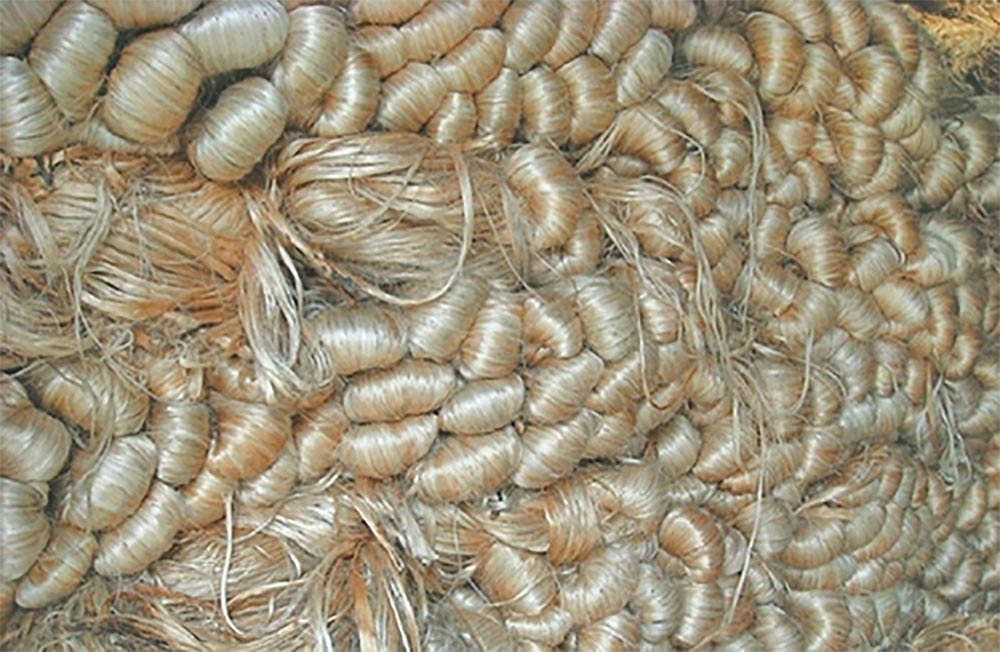 As the world grapples with the escalating crisis of plastic pollution and climate change, Bangladesh has brought its most potent, natural weapon to the global stage: jute. At the 31st Conference of the Parties (COP31) in Antalya, Türkiye, the nation has established a striking pavilion in the Green Zone, showcasing its "golden fibre" as a biodegradable, renewable, and zero-waste alternative to synthetic polymers.
The pavilion, a collaborative effort between the Ministry of Foreign Affairs and the Ministry of Textiles & Jute, serves as a powerful testament to jute's versatility and environmental promise. Named "Jute - Golden Fibre of Bangladesh," the stall is a vibrant display of national pride and sustainable innovation, with wooden pillars, the Bangladesh flag, and government seals adorning the counter.
The centrepiece of the exhibition is a diverse array of jute products that challenge outdated perceptions of the fibre. Visitors are exploring a wide range of goods, from everyday items like tote bags, backpacks, and pouches to more sophisticated creations such as jute home décor, handicrafts, and even garments. The display of jute vests, jackets, and blazers in an array of colours-pink, brown, mustard, and green-has been a particular draw, with many international attendees trying them on and photographing these novel "jute garments."
The visual storytelling is enhanced by walls draped in jute fabric and screens playing the "JUTE CASTLE" video. A prominent caption delivers a powerful environmental message: "Jute is 100 per cent biodegradable, carbon-negative - absorbs 15 tonnes CO2 per hectare, releases 11 tonnes O2." This message is reinforced by the presence of the "SIFIR ATIK / ZERO WASTE" pillars of the Green Zone visible in the background, perfectly framing Bangladesh's contribution to the global sustainability dialogue.
Prime Minister Tarique Rahman is scheduled to visit the pavilion today, underscoring the high-level political commitment to promoting jute as a cornerstone of Bangladesh's green diplomacy. The event also features discussions with Climate and Environment Minister Abdul Awal Mintoo on pivotal topics such as "Jute as Alternative to Plastics" and "Green Climate Finance for Jute," signalling a comprehensive approach to leveraging the fibre for both environmental and economic gain.
Bangladesh’s ambition is clear. The government has set an export target of approximately $1.64 billion from jute and jute products by 2031, with a 70 per cent value-added share. This goal is supported by a robust domestic policy framework, notably the Mandatory Jute Packaging Act, 2010, which mandates the use of jute packaging for certain products to reduce reliance on single-use plastics.
The urgency of this transition is undeniable. According to a World Bank report, daily plastic waste generation in Dhaka skyrocketed from 178 tonnes in 2005 to 646 tonnes in 2021. While around 1,500 factories are engaged in polythene production, their sudden closure poses an economic challenge due to the employment they provide.
Experts suggest a phased and thoughtful approach, one that gradually replaces polythene with jute. To ensure compliance with the 2010 Act, which carries penalties of up to one year in prison or a fine of Tk 50,000, there are calls to amend the law to require jute packaging for all mills and impose stricter penalties, including licence revocation.
As the global summit in Antalya, running from November 9 to 20, becomes a platform for pressing for climate justice and predictable international finance, Bangladesh is doing more than just asking for support.
It is presenting a tangible, homegrown solution. By showcasing its golden fibre, Bangladesh is offering the world a model for a just transition-one that protects the environment, creates rural employment, and builds a more sustainable global economy, one jute bag at a time.

Loading...
Loading...
Also read



Editor : Iqbal Sobhan Chowdhury
Published by the Editor on behalf of the Observer Ltd. from Globe Printers, 24/A, New Eskaton Road, Ramna, Dhaka.
Editorial, News and Commercial Offices : Aziz Bhaban (2nd floor), 93, Motijheel C/A, Dhaka-1000.
Phone: PABX- 41053001-06; Advertisement: 41053012; 01793317829, 01550707291, 01550707296
E-mail: [email protected], [email protected]. [email protected], [email protected], [email protected], [email protected], Online-email: [email protected]


