



| HEADLINE |

|

US-Canada trade deal remains uncertain amid tariff tensions


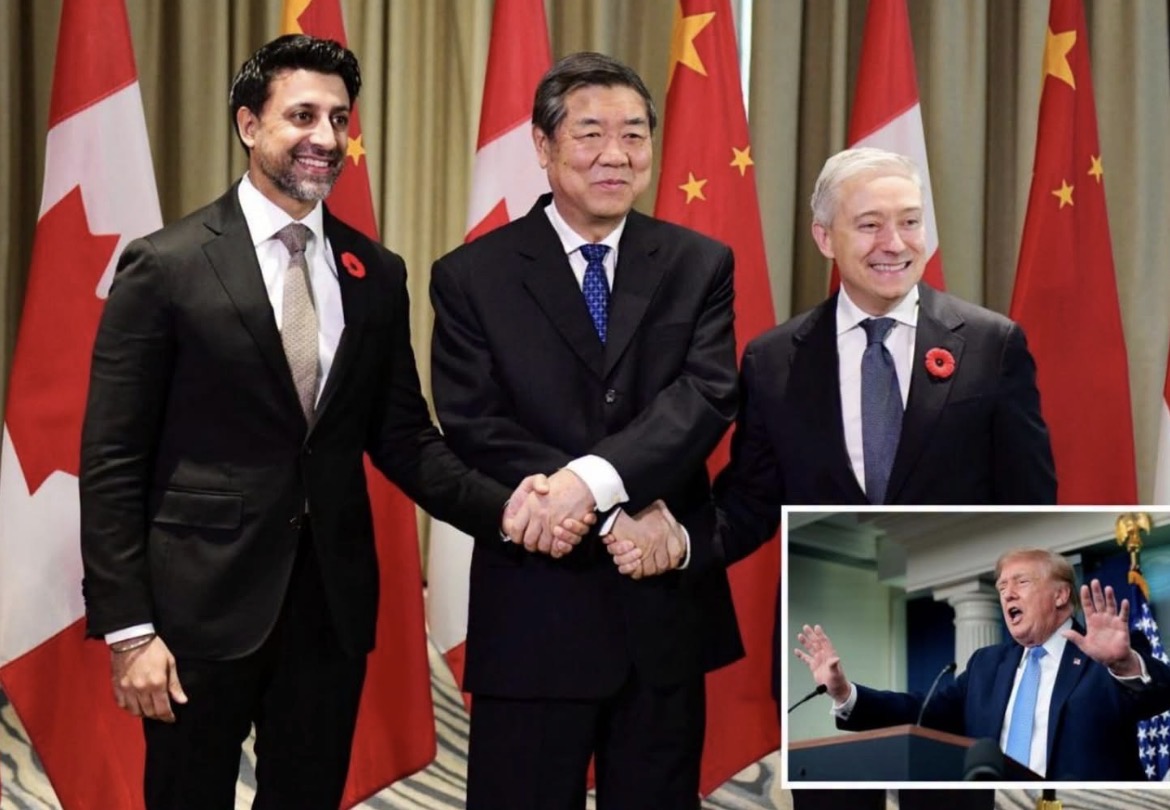
US President Donald Trump has expressed optimism about reaching a trade deal with Canada, but significant differences remain between the two countries over tariffs affecting key Canadian industries.
The ongoing trade tensions have prompted Prime Minister Mark Carney’s government to seek alternative markets and strengthen economic partnerships beyond the United States.
Canadian Foreign Minister Anita Anand said Ottawa had signed more than 20 security, economic and defence agreements over the past year as part of its efforts to double non-US trade over the next decade.
Meanwhile, Canada has extended its tariff-relief programme for certain US imports until June 30, 2028, allowing businesses to continue importing products that are difficult to source domestically without facing additional retaliatory tariffs.
However, the government is withdrawing exemptions for selected US products that can be manufactured in Canada. The changes took effect on November 9.
Tariffs on steel, aluminium, lumber and automobiles remain major points of contention in trade negotiations between Washington and Ottawa, with Canadian industries and workers continuing to face pressure from the trade dispute.









Published by the Editor on behalf of the Observer Ltd. from Globe Printers, 24/A, New Eskaton Road, Ramna, Dhaka.
Editorial, News and Commercial Offices : Aziz Bhaban (2nd floor), 93, Motijheel C/A, Dhaka-1000.
Phone: PABX- 41053001-06; Advertisement: 41053012; 01793317829, 01550707291, 01550707296
E-mail: [email protected], [email protected]. [email protected], [email protected], [email protected], [email protected], Online-email: [email protected]


