



| HEADLINE |

|

When cancer affects a wife or a daughter: Family’s silent struggle
Published : Saturday, 31 October, 2026 at 12:00 AM
Farhana Naznin


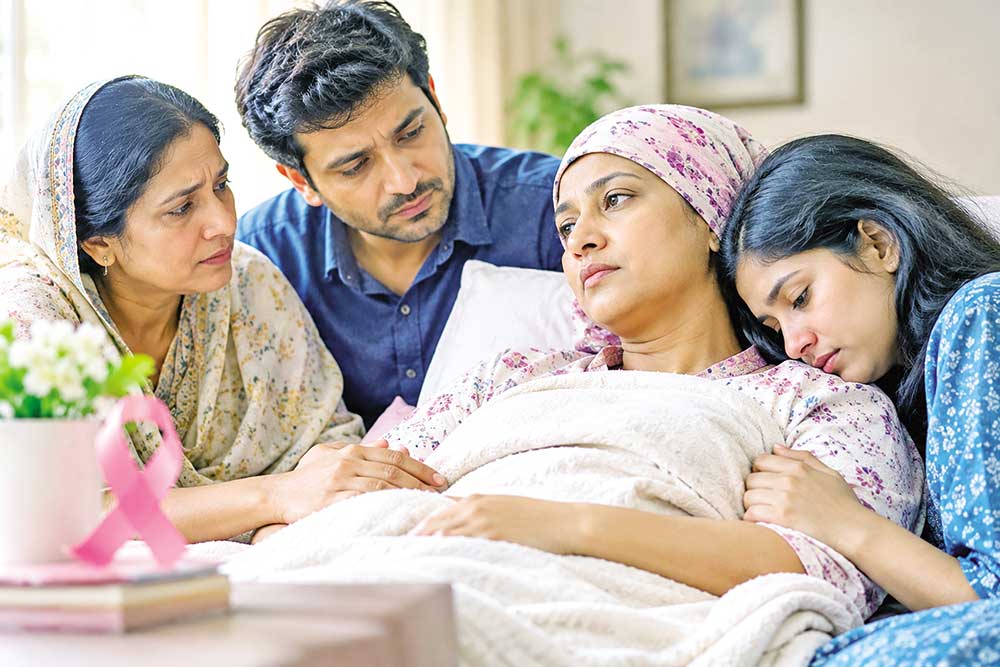 A last-stage cancer diagnosis can turn an ordinary family’s life upside down. When the patient is a wife or daughter, the news brings not only the fear of losing a loved one but also financial uncertainty, emotional distress and difficult decisions about care and the future. In Bangladesh, where families often shoulder much of the responsibility for treatment and caregiving, the burden extends far beyond the hospital bed.
For a husband, learning that his wife has advanced cancer means confronting the possibility of losing his life partner while trying to remain strong for their children. For parents, discovering that their daughter has late-stage cancer can be devastating, regardless of her age or marital status. Families may struggle to accept the diagnosis, explore treatment options and hold on to hope while facing an uncertain future.
The challenges are often intensified by the high cost of treatment. Hospital admissions, diagnostic tests, medicines, chemotherapy, surgery and travel expenses can place enormous pressure on household finances. Some families exhaust their savings, borrow money, sell assets or seek help from relatives to continue treatment. If the patient or a primary caregiver is an income earner, prolonged illness can also reduce household earnings just as expenses increase.
Yet the burden is not financial alone. Family members may experience anxiety, sleeplessness, exhaustion and helplessness. A husband may have to balance his job with hospital visits and childcare. Parents may struggle to care for other children while remaining beside their sick daughter. Female relatives often take on additional caregiving responsibilities, sometimes neglecting their own health, work and well-being.
Women living with advanced cancer may also experience emotional distress over changes in their appearance, loss of independence, family responsibilities and the impact of their illness on loved ones. Some hesitate to speak openly about their pain or fears because they do not want to burden their families. Others may feel isolated when relatives or neighbours respond with fear, stigma or misleading advice.
In such circumstances, compassionate communication is essential. Patients and their families need clear, honest information from qualified healthcare professionals about the condition, available treatment options and their potential benefits. The woman’s wishes should be heard and respected, and she should be involved in decisions about her care whenever possible. A late-stage diagnosis does not necessarily mean that all treatment options have been exhausted; appropriate care depends on the type of cancer, its progression and the patient’s overall condition.
Palliative care is another important part of cancer support. It helps manage pain and other distressing symptoms while providing psychological, social and emotional support to patients and their families. Depending on individual needs, it can be provided alongside cancer treatment. Seeking palliative care does not mean giving up hope; it means prioritising comfort, dignity and quality of life throughout the illness.
Bangladesh needs greater public awareness, affordable cancer services, accessible palliative care and stronger support for family caregivers. Hospitals, community organisations and social services can help families understand treatment options, access available financial assistance and receive emotional support. Counselling and opportunities to discuss their concerns can also help caregivers cope with the demands of caring for a seriously ill loved one.
Behind every cancer diagnosis is a woman whose life, feelings and wishes matter-and a family struggling to cope with uncertainty. Supporting a wife or daughter with late-stage cancer requires more than medical treatment. It demands empathy, practical assistance, honest guidance and respect for her dignity.
Cancer can change a family’s future, but no woman should have to face the journey without care, compassion and support.

Loading...
Loading...
Also read



Editor : Iqbal Sobhan Chowdhury
Published by the Editor on behalf of the Observer Ltd. from Globe Printers, 24/A, New Eskaton Road, Ramna, Dhaka.
Editorial, News and Commercial Offices : Aziz Bhaban (2nd floor), 93, Motijheel C/A, Dhaka-1000.
Phone: PABX- 41053001-06; Advertisement: 41053012; 01793317829, 01550707291, 01550707296
E-mail: [email protected], [email protected]. [email protected], [email protected], [email protected], [email protected], Online-email: [email protected]


