



| HEADLINE |

|

Beyond stroke paralysis: How physiotherapy helps restore independence
Published : Wednesday, 28 October, 2026 at 5:00 PM
Dr. M. Easin Ali


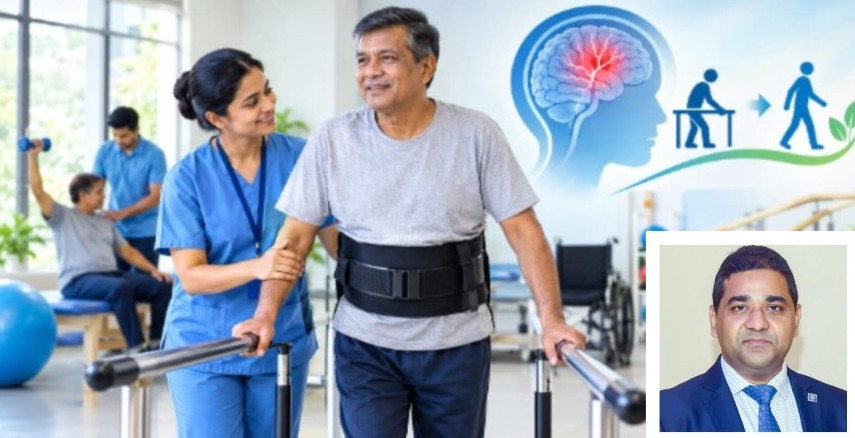
Collected Photo
World Stroke Day is observed annually on October 29 to raise awareness about stroke prevention, emergency treatment, and rehabilitation. The 2026 theme, “The Time Is Now,” emphasises the urgent need for action to reduce stroke-related deaths and disability.
Stroke is a leading cause of long-term disability worldwide. However, paralysis after a stroke does not necessarily mean permanent dependence. With timely medical care, appropriate physiotherapy, comprehensive rehabilitation, and family support, many survivors can regain functional abilities and improve their quality of life.
Understanding Stroke and Its Warning Signs
A stroke occurs when blood flow to part of the brain is interrupted by a blocked blood vessel or when a blood vessel ruptures, causing bleeding. Brain cells become damaged, potentially affecting movement, speech, sensation, balance, and swallowing.
High blood pressure, diabetes, elevated cholesterol, smoking, obesity, physical inactivity, and certain heart conditions increase stroke risk. Many survivors experience weakness or paralysis on one side of the body, known as hemiparesis or hemiplegia, making walking and everyday activities difficult.
Stroke symptoms often develop suddenly. Warning signs include facial drooping, weakness or numbness in an arm or leg, slurred speech, sudden vision problems, dizziness, difficulty walking, and a severe, unexpected headache.
Anyone experiencing these symptoms needs immediate emergency medical attention. The time symptoms begin, or when the person was last known to be well, should be recorded. Treatment depends on whether the stroke involves a blockage or bleeding; therefore, aspirin or other medicines should not be given without medical advice.
Physiotherapy: A Vital Step Towards Recovery
Emergency treatment saves lives, but rehabilitation helps survivors recover function and independence. Once medically stable, patients should begin rehabilitation as early as clinically appropriate under the treating team’s guidance.
A physiotherapist assesses muscle strength, joint mobility, posture, balance, coordination, and functional ability before developing an individualised treatment plan.
Restoring movement and flexibility: Range-of-motion exercises and appropriate positioning help maintain joint mobility, reduce stiffness, and prevent muscle shortening and contractures.
Rebuilding strength and coordination: Repetitive, task-specific exercises encourage motor relearning and help patients regain control over affected muscles.
Improving balance and walking: Sitting, standing, transfer, weight-bearing, and gait training help survivors move more safely. Walking aids may be recommended when necessary to improve mobility and reduce fall risk.
Recovering arm and hand function: Goal-oriented activities involving reaching, grasping, holding objects, and other purposeful movements can improve upper-limb function, depending on the extent of neurological damage.
Preventing complications: Appropriate positioning, shoulder support, safe transfers, and prescribed exercises help reduce the risk of pain, joint stiffness, pressure injuries, falls, and complications associated with immobility. The affected arm should never be pulled forcefully during transfers.
Why Multidisciplinary Rehabilitation Matters
Stroke recovery often requires more than physiotherapy alone. Occupational therapy helps patients regain independence in dressing, bathing, eating, and household activities. Speech and language therapy addresses communication and swallowing difficulties. Nutritional guidance, psychological care, nursing support, and social assistance may also be necessary.
A coordinated team should establish realistic goals and regularly assess progress. Family members can support recovery by learning safe handling techniques, assisting with prescribed exercises, and encouraging patients to perform activities independently whenever appropriate. Exercises should never be forced or undertaken beyond professional guidance.
Patience, Prevention and Family Support
Recovery varies according to stroke severity, the location of brain injury, overall health, complications, and participation in rehabilitation. Improvement may continue for months or longer. Consistent practice, professional supervision, and regular reassessment are essential.
Preventing another stroke is equally important. Patients should follow medical advice concerning blood pressure, diabetes, cholesterol, heart conditions, and prescribed medicines. A balanced diet, smoking cessation, suitable physical activity, and regular medical follow-up help reduce future risk.
The message of World Stroke Day 2026, “The Time Is Now,” reminds us that action must begin immediately—from recognising warning signs and obtaining emergency treatment to ensuring accessible rehabilitation.
Post-stroke paralysis does not mean that hope is lost. With timely medical care, individualised physiotherapy, multidisciplinary support, and compassionate family involvement, many survivors can regain meaningful abilities and move towards a more independent and dignified life. Rehabilitation must be recognised as an essential component of comprehensive stroke care.

Loading...
Loading...
Also read




Editor : Iqbal Sobhan Chowdhury
Published by the Editor on behalf of the Observer Ltd. from Globe Printers, 24/A, New Eskaton Road, Ramna, Dhaka.
Editorial, News and Commercial Offices : Aziz Bhaban (2nd floor), 93, Motijheel C/A, Dhaka-1000.
Phone: PABX- 41053001-06; Advertisement: 41053012; 01793317829, 01550707291, 01550707296
E-mail: [email protected], [email protected]. [email protected], [email protected], [email protected], [email protected], Online-email: [email protected]


