



| HEADLINE |

|

$900,000 Earhart search ends in disappointment


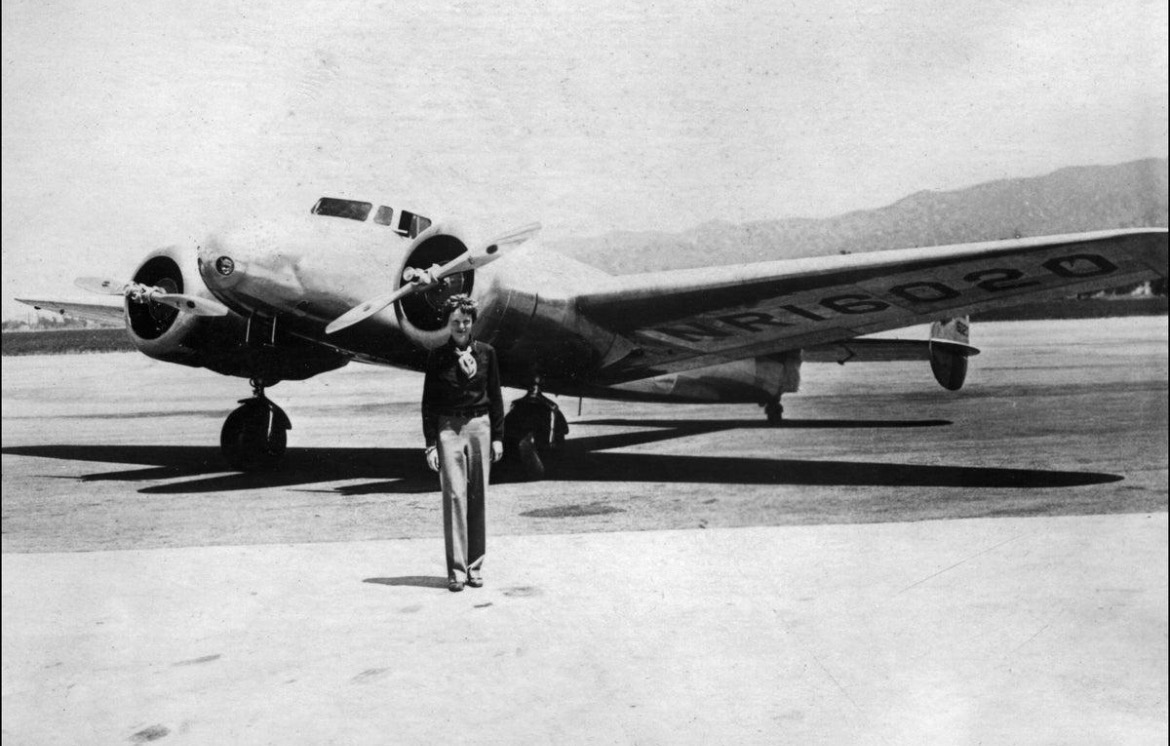
A $900,000 expedition seeking Amelia Earhart’s missing aircraft has ended without success after a suspected wreckage site proved to be washed-up trees.
The US-based team travelled to Nikumaroro, a remote island in Kiribati, to investigate an object spotted in 2020 satellite images that appeared to resemble Earhart’s twin-engine Lockheed Electra. After a week of investigation, the team concluded it was likely large trees embedded in the sand of the island’s lagoon.
The expedition was backed by private donors and Purdue University in Indiana, which has a longstanding connection to Earhart.
Earhart and her navigator, Fred Noonan, disappeared on July 2, 1937, while attempting to fly around the world. They were last seen departing Papua New Guinea, and radio contact was lost the next day after Earhart reported that fuel was running low. Their disappearance prompted one of the largest air-sea searches in history and remains one of aviation’s enduring mysteries.
Expedition leader Richard Pettigrew said evidence remained strong for the theory that Earhart and Noonan crash-landed on Nikumaroro and died as castaways. Supporters cite alleged distress radio transmissions and artefacts recovered from the island.
The official US government position is that the aircraft ran out of fuel and crashed into the Pacific Ocean near Howland Island, their intended destination.
The team also recovered objects, including a steel tube, that could provide further clues after examination.
sks
Source: Reuters








Published by the Editor on behalf of the Observer Ltd. from Globe Printers, 24/A, New Eskaton Road, Ramna, Dhaka.
Editorial, News and Commercial Offices : Aziz Bhaban (2nd floor), 93, Motijheel C/A, Dhaka-1000.
Phone: PABX- 41053001-06; Advertisement: 41053012; 01793317829, 01550707291, E-mail: [email protected], [email protected] Online: email: [email protected] 41053014; 01550707297 Advertisement: 01550707296


