



| HEADLINE |

|

El Niño reshaping global weather patterns
Published : Tuesday, 20 October, 2026 at 1:08 PM
Observer Online Report


Collected Photo
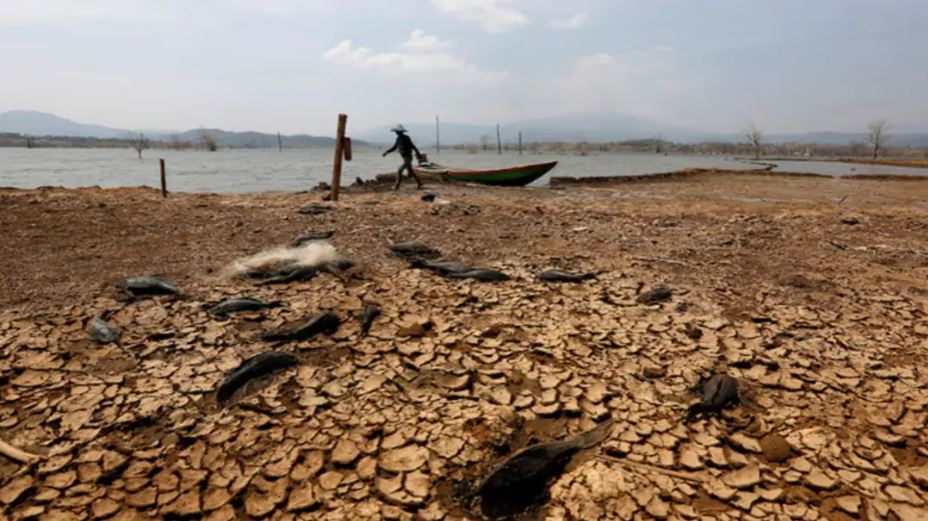
El Niño, a major driver of global weather patterns, has been intensifying in recent months, contributing to devastating wildfires, floods and powerful storms across countries including Indonesia, India and the United States.
According to a BBC report citing the World Meteorological Organization (WMO), the phenomenon could strengthen further and may persist until at least 2027.
El Niño occurs when sea surface temperatures in the equatorial Pacific Ocean rise unusually, disrupting global wind patterns and triggering extreme weather, including droughts, wildfires, floods and powerful cyclones.
In Indonesia, wildfires have burned at least 895,657 hectares since January, nearly six times the size of Greater London. The fires have forced schools to close and exposed millions to toxic haze, with around 175,000 people reportedly suffering from respiratory illnesses.
Meanwhile, warmer Pacific waters and weaker upper-level winds have helped storms intensify rapidly. This season, 12 hurricanes have formed, including 10 major ones, already exceeding the historical average.
In the western Pacific, powerful cyclones have caused flooding and landslides in China and Japan. The Japan Meteorological Agency reported that 10 tropical cyclones had formed in the region this year, the highest number in a single season since 1966.
The Atlantic has seen a contrasting trend, with El Niño-related winds suppressing storm formation. Only eight tropical storms have been recorded so far this season, compared with the usual average of around 10 by this point.
In India, seasonal rainfall has been around 13 per cent below normal. Eastern and northeastern regions recorded a 26 per cent deficit, while southern states saw rainfall fall by 24 per cent. Prolonged dry spells followed by sudden heavy rain have raised concerns over agricultural production.
-AJM

Loading...
Loading...
Also read








Editor : Iqbal Sobhan Chowdhury
Published by the Editor on behalf of the Observer Ltd. from Globe Printers, 24/A, New Eskaton Road, Ramna, Dhaka.
Editorial, News and Commercial Offices : Aziz Bhaban (2nd floor), 93, Motijheel C/A, Dhaka-1000.
Phone: PABX- 41053001-06; Advertisement: 41053012; 01793317829, 01550707291, E-mail: [email protected], [email protected] Online: email: [email protected] 41053014; 01550707297 Advertisement: 01550707296


