



| HEADLINE |

|

Do you know why you can’t catch fish?
Published : Wednesday, 7 October, 2026 at 5:01 PM
Shahman Abir


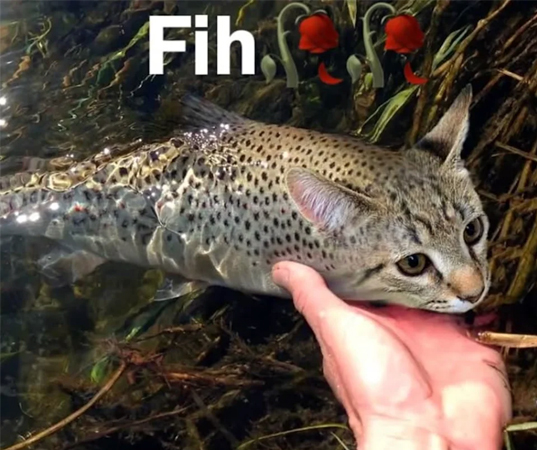
Collected Photo
Catching fish has been a necessity for centuries in the advancement of human civilization. While catching fish is a necessity for rural people to survive, metropolitan dwellers consider it as an expensive hobby.
It would be an insult to the locals of our riverine Bangladesh to teach them how to catch a fish. I dare not pursue such pursuit. However, city citizens, surrounded by buildings and concretes and pavements–have little knowledge about how fishing works.
So, how do you catch a fish? It is rather technical than simply having better luck than others.
Often beginners, who want to catch fishes, aim for the middle section of the water body. Unfortunately, that is the place where fish is abounding the least. As the middle section of most of the water bodies tend to be deeper, that place is exposed to many dangers. Predatory birds can snipe off its prey easily, as there are no obstacles in that part.
If this is the case, where should you aim then?
There are several points in a water body (ponds, lakes or others) where fishes are found. Generally, fishes tend to hide under rocks, or aquatic plants. Small fishes love these places as they can move through those tiny gaps.
Obviously, big fishes follow them there.
That is one of the prime spots which you can target to catch fishes.
Furthermore, look for shades over the water body, preferably a big tree. Those areas are infested with natural bugs because many of them sometimes decide to jump off the branches (pun intended, they fall into the water body to escape from gusty wind or birds). Those areas are hotspots for catching fishes.
As previously mentioned, middle section is a terrible place to be for any fish due to depth. For this reason, fishes make shallow water as their primary home. Insects, bugs are found in that place which makes a good protein source for them.
So, aim your fishing hook to shallow waters. Do not sit closely to the bank of the lake, aim your fishing rod diagonally to shallow water. Congratulations, you have increased your chances of catching a fish for your next meal.
Last but not the least; you must check wind direction even if it is directed to your face. Fishes typically travel in favour of the wind direction as nutrients follow with waves.
Shallow waters, shades, rocks, aquatic plants, wind directions–that’s it. Now you know how to catch a fish.

Loading...
Loading...
Also read








Editor : Iqbal Sobhan Chowdhury
Published by the Editor on behalf of the Observer Ltd. from Globe Printers, 24/A, New Eskaton Road, Ramna, Dhaka.
Editorial, News and Commercial Offices : Aziz Bhaban (2nd floor), 93, Motijheel C/A, Dhaka-1000.
Phone: PABX- 41053001-06; Advertisement: 41053012; 01793317829, 01550707291, E-mail: [email protected], [email protected] Online: email: [email protected] 41053014; 01550707297 Advertisement: 01550707296
Published by the Editor on behalf of the Observer Ltd. from Globe Printers, 24/A, New Eskaton Road, Ramna, Dhaka.
Editorial, News and Commercial Offices : Aziz Bhaban (2nd floor), 93, Motijheel C/A, Dhaka-1000.
Phone: PABX- 41053001-06; Advertisement: 41053012; 01793317829, 01550707291, E-mail: [email protected], [email protected] Online: email: [email protected] 41053014; 01550707297 Advertisement: 01550707296


