



| HEADLINE |

|

Fuel shortage hits 62 power plants, cripples electricity supply
Published : Friday, 28 August, 2026 at 10:17 AM
Observer Online Report


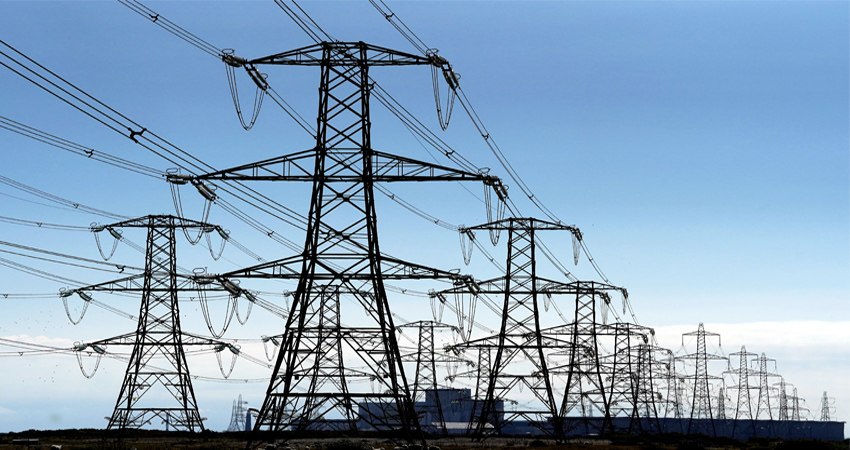
Symbolic Photo
A severe power crisis has hit the country due to acute gas shortages, coal and liquid fuel supply deficits, technical glitches, and routine maintenance at major power plants.
Electricity production dropped sharply, causing severe load-shedding across Dhaka and the rest of the country. With supply falling far short of demand, citizens face round-the-clock suffering.
Data from the Power Development Board (PDB) and Power Grid Bangladesh PLC (PGB) showed that production was severely disrupted at 62 out of 137 power plants on Thursday.
Among them, 20 plants were completely shut down, while the remaining 42 operated at limited capacity.
Consequently, daytime load-shedding reached a peak of 3,664 megawatts (MW). Earlier on August 10, the season's highest load-shedding was recorded at 3,757 MW.
According to the Power Division, the country's total generation capacity stands at nearly 29,000 MW. However, peak production reached only 13,282 MW on Thursday against a demand of 16,946 MW.
More than half of the total capacity remained unutilized solely due to the fuel crisis. Although gas-based plants have over 12,000 MW of capacity, they currently generate just over 5,000 MW.
Authorities diverted a major portion of gas supplies to industrial units, cutting allocation to the power sector.
Rural areas outside Dhaka have suffered intense load-shedding for over a month due to the ongoing gas shortfall.
However, following government directives, load-shedding began in the capital Dhaka on August 12.
Although DPDC and DESCO planned for one-hour daily outages per area, consumers alleged that actual load-shedding far exceeds the schedule.
Frequent power cuts during busy daytime hours and at night have caused severe water shortages in high-rise buildings and raised fears of people getting trapped in elevators.
Coal-based power plants face similar distress. The country's eight coal plants have a capacity of 7,000 MW, but current output remains below 5,000 MW.
Technical faults disrupted operations at the Payra and Barapukuria plants. One unit of the Matarbari plant remains closed for routine maintenance.
Additionally, the 1,500 MW power plant operated by India's Adani Group reduced production on August 7 due to coal supply issues. It generates 900 MW during the day and supplies 1,200 MW during peak hours.
To handle the situation, authorities ordered higher operation of expensive oil-fired plants, but 24 units suffered shortages of furnace oil and diesel.
Former President of the Bangladesh Independent Power Producers Association (BIPPA) Imran Karim stated that oil-fired generation could increase rapidly if pending dues and disputes between private operators and the PDB are resolved.
Meanwhile, the dual gas and power shortage directly affected household cooking and industrial production.
Petrobangla data showed daily gas supply reached only 2,350 million cubic feet against a total demand of 3,800 million cubic feet on Thursday.
Gas supplies suffered a major setback in July after one of the two floating LNG terminals in Moheshkhali met with an accident. Although repaired, delays in LNG cargo arrivals perpetuate the crisis.
CAB Energy Advisor M Shamsul Alam criticized the overall mismanagement. He noted that direct procurement of LNG, use of unsuitable vessels, and reliance on inexperienced firms prevent recovery.
Without fundamental structural reforms, an end to chaos, and stopping corruption, citizens will find no relief from this suffering, he added.
-SA
Loading...
Loading...
Also read








Editor : Iqbal Sobhan Chowdhury
Published by the Editor on behalf of the Observer Ltd. from Globe Printers, 24/A, New Eskaton Road, Ramna, Dhaka.
Editorial, News and Commercial Offices : Aziz Bhaban (2nd floor), 93, Motijheel C/A, Dhaka-1000.
Phone: PABX- 41053001-06; Advertisement: 41053012; 01793317829, 01550707291, E-mail: [email protected], [email protected] Online: email: [email protected] 41053014; 01550707297 Advertisement: 01550707296
Published by the Editor on behalf of the Observer Ltd. from Globe Printers, 24/A, New Eskaton Road, Ramna, Dhaka.
Editorial, News and Commercial Offices : Aziz Bhaban (2nd floor), 93, Motijheel C/A, Dhaka-1000.
Phone: PABX- 41053001-06; Advertisement: 41053012; 01793317829, 01550707291, E-mail: [email protected], [email protected] Online: email: [email protected] 41053014; 01550707297 Advertisement: 01550707296


