



| HEADLINE |

|
Biotechnology key to country's sustainable future: CR Abrar
Published : Friday, 26 September, 2025 at 3:51 PM
Observer Online Report


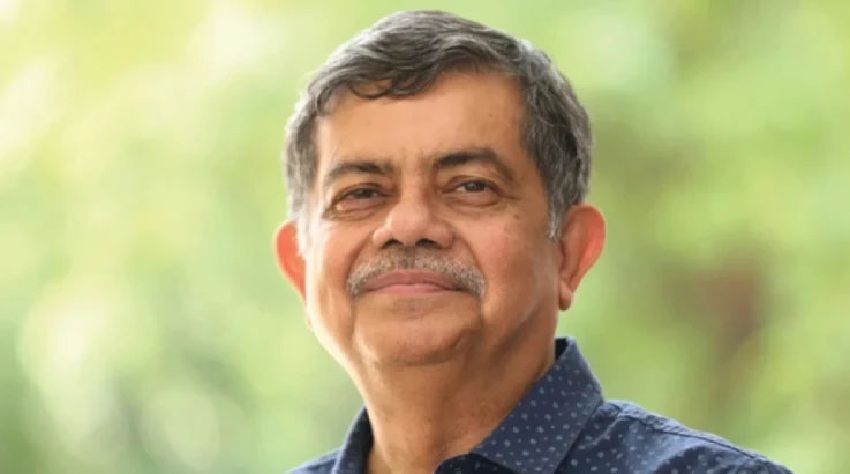
File Photo
Education Advisor Professor Dr. Chowdhury Rafiqul Abrar said on Friday that adopting biotechnology is essential for tackling country’s future challenges in health, agriculture and environmental sustainability.
He made these remarks while speaking at the opening session of 6th International Conference on Biotechnology in Health and Agriculture (ICBHA-2025) in Dhaka.
Organised by Global Network of Bangladeshi Biotechnologists (GNBB) in collaboration with Sher-e-Bangla Agricultural University, the two-day conference is being held under the theme “Addressing Environmental Challenges for Sustainable Health and Agriculture.”
The event also marks 20 years of GNBB’s global initiatives in promoting biotechnology.
“We are on the brink of a biotechnology revolution,” said Prof Abrar, calling for immediate and strategic adoption of biotech solutions. “Now is the time to seize this opportunity.”
Highlighting the urgent challenges posed by climate change and environmental degradation, he said biotechnology holds the potential to provide transformative solutions, particularly in improving healthcare systems and ensuring food security.
“We cannot imagine healthcare without agriculture, nor can we think of food security without environmental sustainability,” he said, underscoring the deep interlinkages between these sectors.
Prof Abrar also pointed to several notable successes Bangladesh has already achieved in the biotechnology field; including the development of high-yield and climate-resilient rice varieties, local production of COVID-19 test kits and microbial technology applications in waste management.
“These are not just achievements; they are stepping stones to our future progress,” he noted.
Looking ahead, he proposed the creation of a National Biotech Innovation Institute, to be managed jointly by Bangladeshi scientists at home and abroad.
This institute, he said, could serve as a bridge between academia and industry, generate employment and help establish Bangladesh as a biotechnology hub in South Asia.
He also recommended the establishment of a National Biotech Data Bank, preserving vital datasets, including clinical records and genomic information of plants and animals, to support research and innovation.
“Science must align with good governance, innovation must take an inclusive approach and policy must reflect long-term commitment,” Prof Abrar emphasized.
“This conference is more than a scientific event; it is a call to action for the government, academia, industry and civil society.”
Abdul Auwal Mintu, CEO of Multimedia Group Bangladesh, was present at the event as a special guest.
SH
He made these remarks while speaking at the opening session of 6th International Conference on Biotechnology in Health and Agriculture (ICBHA-2025) in Dhaka.
Organised by Global Network of Bangladeshi Biotechnologists (GNBB) in collaboration with Sher-e-Bangla Agricultural University, the two-day conference is being held under the theme “Addressing Environmental Challenges for Sustainable Health and Agriculture.”
The event also marks 20 years of GNBB’s global initiatives in promoting biotechnology.
“We are on the brink of a biotechnology revolution,” said Prof Abrar, calling for immediate and strategic adoption of biotech solutions. “Now is the time to seize this opportunity.”
Highlighting the urgent challenges posed by climate change and environmental degradation, he said biotechnology holds the potential to provide transformative solutions, particularly in improving healthcare systems and ensuring food security.
“We cannot imagine healthcare without agriculture, nor can we think of food security without environmental sustainability,” he said, underscoring the deep interlinkages between these sectors.
Prof Abrar also pointed to several notable successes Bangladesh has already achieved in the biotechnology field; including the development of high-yield and climate-resilient rice varieties, local production of COVID-19 test kits and microbial technology applications in waste management.
“These are not just achievements; they are stepping stones to our future progress,” he noted.
Looking ahead, he proposed the creation of a National Biotech Innovation Institute, to be managed jointly by Bangladeshi scientists at home and abroad.
This institute, he said, could serve as a bridge between academia and industry, generate employment and help establish Bangladesh as a biotechnology hub in South Asia.
He also recommended the establishment of a National Biotech Data Bank, preserving vital datasets, including clinical records and genomic information of plants and animals, to support research and innovation.
“Science must align with good governance, innovation must take an inclusive approach and policy must reflect long-term commitment,” Prof Abrar emphasized.
“This conference is more than a scientific event; it is a call to action for the government, academia, industry and civil society.”
Abdul Auwal Mintu, CEO of Multimedia Group Bangladesh, was present at the event as a special guest.
SH
Loading...
Loading...
Also read







Editor : Iqbal Sobhan Chowdhury
Published by the Editor on behalf of the Observer Ltd. from Globe Printers, 24/A, New Eskaton Road, Ramna, Dhaka.
Editorial, News and Commercial Offices : Aziz Bhaban (2nd floor), 93, Motijheel C/A, Dhaka-1000.
Phone: PABX- 41053001-06; Advertisement: 41053012; 01793317829, 01550707291, E-mail: [email protected], [email protected] Online: email: [email protected] 41053014; 01550707297 Advertisement: 01550707296
Published by the Editor on behalf of the Observer Ltd. from Globe Printers, 24/A, New Eskaton Road, Ramna, Dhaka.
Editorial, News and Commercial Offices : Aziz Bhaban (2nd floor), 93, Motijheel C/A, Dhaka-1000.
Phone: PABX- 41053001-06; Advertisement: 41053012; 01793317829, 01550707291, E-mail: [email protected], [email protected] Online: email: [email protected] 41053014; 01550707297 Advertisement: 01550707296


