
Imagine dedicating months of hard work to prepare for the IELTS exam, only to discover that someone else achieved a higher score without studying, simply by buying leaked question papers. On 8 September 2025, Daily Sun reported that Dhaka Police arrested Md. Mamun Khan and Panna Poonam Halder, who were running a sophisticated racket selling leaked IELTS exam papers to students. This incident has sent shockwaves across Bangladesh's education sector, undermining the credibility of the exam, disadvantaging genuine candidates, and highlighting serious issues of corruption and weak oversight in ensuring fair and transparent testing.
The International English Language Testing System, widely known as IELTS, is one of the most recognized English proficiency exams in the world. It plays a vital role for students and professionals who plan to study or work abroad. In Bangladesh, the importance of this exam has grown significantly, with thousands of candidates appearing for it each year. Many young people dream of studying at prestigious universities or securing jobs in countries like the United Kingdom, Canada, and Australia. The reliability of this exam depends on strict fairness and security measures, as it serves as proof of a candidate's genuine English skills. Any compromise in the integrity of the test can severely affect the global reputation of Bangladeshi applicants, making it crucial to maintain a transparent and trustworthy process.
In recent months, the shocking IELTS paper leak incident has come to light in Bangladesh, causing widespread concern. The scandal was exposed when law enforcement agencies received reports of leaked question papers being circulated through underground networks. Media reports highlighted how some test centers and coaching institutes were suspected of involvement in this illegal activity. As the news spread, students and guardians across the country expressed anger and frustration. The issue has become a matter of national discussion, with many fearing that this breach of trust could affect future opportunities for Bangladeshi candidates. Authorities have since launched investigations, but the problem remains deeply rooted and difficult to control.
Investigations revealed that the IELTS paper leak was carried out using sophisticated methods involving multiple players. Certain corrupt insiders within the examination system are suspected of providing early access to test papers. These questions were then shared with selected coaching centers and distributed through well-organized networks. Digital platforms played a key role in spreading the leaked materials, with encrypted messaging apps like Telegram and WhatsApp being used to secretly share questions and answers. In many cases, private groups charged high fees for access to these materials. Compared to earlier years, these operations have become more advanced in 2025, using technology to hide tracks and avoid detection, making it extremely challenging for authorities to shut them down.
This paper leak poses a threat to the credibility of Bangladesh's education sector on an international scale. Universities, immigration authorities, and employers in other countries rely on IELTS scores as proof of an applicant's English language proficiency. When question papers are leaked, the value of those scores is called into question. If other nations begin to doubt the authenticity of Bangladeshi IELTS results, they may impose stricter measures or even reduce opportunities for students and workers. This not only damages the reputation of individual candidates but also undermines trust in the entire education system, creating long-term harm to the country's image abroad.
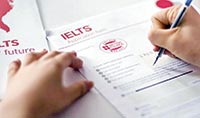
The paper leak has also led to severe financial exploitation of students and their families. Leaked question papers are often sold at extremely high prices, with some reports indicating that candidates pay tens of thousands of taka to gain access. Families, desperate to secure their children's future, sometimes feel pressured to spend these large sums despite the risks. This creates a cycle of inequality, where only those who can afford the illegal materials gain an advantage.
The consequences of this scandal extend far beyond Bangladesh's borders. Foreign universities and visa authorities may begin imposing stricter rules for applicants from Bangladesh. This could include additional language tests, higher fees, or more complex verification procedures. Such measures would make it harder for genuine students and workers to achieve their goals. In some cases, scholarship opportunities might be reduced or withdrawn entirely. Other countries have faced similar scandals in the past, and Bangladesh must learn from their experiences by implementing global best practices to prevent future leaks and rebuild trust.
To address this crisis, immediate reforms are needed. The IELTS paper leak scandal serves as a wake-up call for Bangladesh. The credibility of the nation's education system and the future of thousands of young people are at stake. Immediate action must be taken to identify and punish those responsible, close legal loopholes, and implement stronger oversight mechanisms. Honest students deserve a fair chance to compete based on merit, not corruption. By safeguarding the integrity of exams like IELTS, Bangladesh can protect its international reputation and ensure that its youth have access to the opportunities they work so hard to achieve.
The writer is a legal researcher





