Engineers play an undeniable role in all aspects of national development-from infrastructure, bridges, culverts, and road construction to mega projects that shape the country's future. The government's involvement, combined with the talent, relentless hard work, ideas, and contributions of engineers, has turned ambitious projects into reality.
Bangladesh's engineering sector operates through three main tiers of workforce: graduate engineers (BSc), diploma engineers, and skilled/technical manpower at the base level. Each group is indispensable. Generally, diploma engineers carry out execution, supervision, and maintenance work, while graduate engineers focus on research, planning, and design. In practice, graduate engineers' plans are implemented on the ground by diploma engineers.
So why are some graduate engineers, including students of BUET and other technology universities, insisting that diploma engineers should not use the title "engineer"? The diploma qualification itself is called Diploma in Engineering, recognized by parliamentary act and the state. Why, then, should they be barred from using the title?
The 10th Grade Dilemma: Currently, diploma engineers in Bangladesh enter government service in the 10th grade as Sub-Assistant Engineers (or equivalent). Graduate engineers, however, join at the higher rank of Assistant Engineer in the 9th grade. They cannot apply for the 10th grade positions unless they previously completed a diploma in engineering.
Now, some graduate engineers are demanding access to 10th grade posts, which is both illogical and beneath their professional dignity. The state has already set clear entry levels for professional engineering graduates and diploma engineers. The demand not only undermines diploma engineers but also demeans graduate engineering education itself.
Promotions and Rights: In 1978, the government created the unified Sub-Assistant Engineer post for diploma engineers, with 33% promotion opportunities to the Assistant Engineer rank. Graduate engineers often dismiss this as a "quota," but in truth it is a reserved right, not a quota.
In 1994, the government upgraded diploma engineers' positions to Class-II status, giving them entry at 10th grade-just one step below graduate engineers. Yet, though officially 33% of them should get promoted, in practice only 17-18% succeed. Diploma engineers are now demanding 50% promotion opportunities, a demand the government committee has already recognized as justified.
Thousands of diploma engineers are contributing significantly in various government departments. Should their experience and expertise go unrewarded? Those who received promotions have already proven their competence. Their skills, not favoritism, earned them advancement.
Field vs. Desk Roles: The ongoing conflict between graduate and diploma engineers is unfortunate. A practical solution could be dividing responsibilities: graduate engineers focusing on desk roles such as research, planning, and design, while diploma engineers manage field-level execution, supervision, and maintenance. This division reflects the current reality anyway and would also allow fair career progression for both groups.
Global Perspective: Globally, middle-level engineers (diploma holders) are becoming increasingly vital due to technological advancement, automation, and AI. Developed countries have significantly expanded technical education-ranging from 40% to 75% of total education in some cases. Research shows that nations with larger numbers of mid-level engineers achieve faster development.
For Bangladesh to reach developed status, expanding and improving technical education is essential. Recruitment policies should follow international norms, ideally setting the ratio of graduate to diploma engineers at 1:5. Instead, administrative manipulation has often pushed this ratio to 1:1, which risks undermining the entire engineering workforce. Without immediate government intervention, national development and productivity will suffer.
Higher Education Opportunities: Currently, opportunities for diploma engineers to pursue higher education are very limited. One of their key demands is credit transfer to BUET, CUET, RUET, SUST, and other engineering universities. Under this system, diploma graduates would transfer credits for courses they have already completed and continue with the remaining courses to complete a BSc in Engineering.
This model is internationally accepted. For example, Melbourne Polytechnic in Australia offers pathways from diploma to PhD. They mapped Bangladesh's diploma curriculum and found no major differences, allowing Bangladeshi diploma engineers to complete a BSc in just two years. Similar opportunities exist in China, Japan, and Germany. Why not in Bangladesh?
The Way Forward: The government has already formed committees to address the crisis, including an eight-member panel and a 14-member working committee. These committees must act wisely, keeping national interests above group rivalries. Sub-Assistant Engineers perform most of the grassroots engineering work, and their contributions cannot be dismissed.
The crisis must be solved with mutual respect and trust. Neither group should feel deprived. Graduate engineers have not historically faced discrimination, but if they do in certain cases, that should be addressed. At the same time, diploma engineers must not have their opportunities curtailed-their promotion prospects must expand for the sake of the country's development.
Diploma education should be made more attractive by ensuring higher study opportunities, expanding their roles, and improving career prospects. The advisory committees, led by power and energy adviser Faozul Kabir Khan and the housing and public works secretary, should consider the seven-point demand of diploma engineers sincerely. Only then can the ongoing conflict be resolved in the national interest.
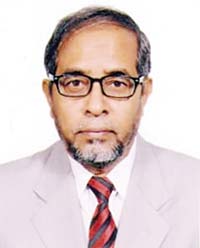
The writer is a Former Head of Department, Chemical & Food Engineering, Dhaka Polytechnic Institute
Chairman, Board of Trustees, North Pacific International University





