



| HEADLINE |

|
CCDB's role in promoting renewable energy
Published : Wednesday, 23 October, 2024 at 12:00 AM
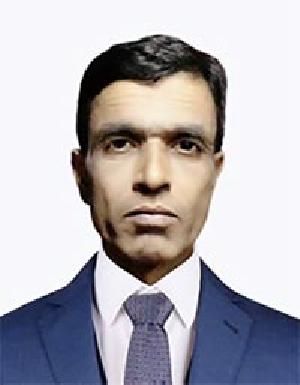
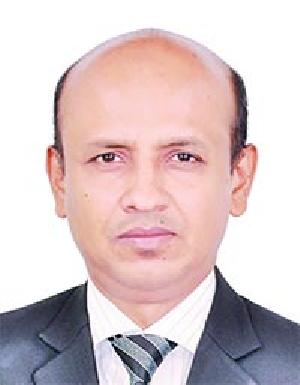
Md Moudud Ahmmed; Bidhan Nath


The Christian Commission for Development in Bangladesh (CCDB) has positioned itself at the forefront of promoting sustainable and renewable energy solutions, particularly solar technologies, to combat the pressing impacts of climate change in South Asia as well as Bangladesh. CCDB's Climate Centre, located in Sreepur, 60 kilometers north of Dhaka, is a vital hub for climate learning, knowledge sharing, and technology demonstration. The Centre aims to build climate-resilient rural communities by promoting renewable energy technologies that can mitigate the effects of climate change while supporting sustainable livelihoods.
The CCDB Climate Centre, Bangladesh's first Net Positive Centre, is dedicated to renewable energy and sustainable development. It has implemented diverse energy solutions, including solar rooftops, EV charging stations, solar irrigation pumps, wind turbines, pico-hydro, biogas plants, and improved cook stoves. The Centre's move toward energy self-sufficiency for only one organization in Bangladesh includes an on-grid solar rooftop system (157 kW solar module, 140 KVA inverter). After receiving net metering approval from the REB, the Centre exported about 40,000 units of electricity to the national grid in 2022-2023, earning 2,000,66 BDT by March 2024, with vital support from SREDA.
The Wind-Solar Hybrid Street Light is a standout innovation at the CCDB Climate Centre, combining wind and solar energy to provide a reliable power source for street lighting. This hybrid system reduces electricity costs and requires minimal maintenance, making it a sustainable and cost-effective solution. Each unit costs approximately BDT 60,000.00 and is well-suited for both rural and urban areas, especially in coastal and hilly regions with high wind potential. Another notable innovation is the Solar Tracker, which enhances solar panel efficiency by tracking the sun's movement.
Solar Trackers can boost energy output by 30-40% by maintaining optimal panel angles, making them ideal for both on-grid and off-grid applications, particularly in remote areas with limited electricity access. On-grid Solar Tracker systems cost BDT 60-70 per watt, while off-grid systems are priced at BDT 120-125 per watt, offering an affordable and efficient renewable energy solution.
The Solar Irrigation Pump, introduced by CCDB in 1984, has transformed agricultural practices in Bangladesh by providing an eco-friendly and cost-effective solution for crop irrigation without relying on fossil fuels or grid electricity. Each pump can serve up to 25 farmers and irrigate approximately five acres of land.
With an investment of BDT 500,000.00, farmers can significantly increase crop yields, ensuring food security while reducing dependence on traditional farming methods. In aquaculture, CCDB's Solar Aerator plays a critical role in maintaining healthy fish populations by efficiently oxygenating ponds and lakes. Priced at approximately BDT 50,000.00, the solar-powered aerator is ideal for coastal, char, island, and haor regions where grid access may be unreliable. In addition to improving water quality and fish health, solar aeration helps control algae growth, reduces foul odors, and minimizes environmental impact.
These lights, powered by solar panels and rechargeable batteries, automatically illuminate gardens, parks, and other public spaces at night while switching off during daylight. Each unit, including a 10-watt system with a maximum power point tracker and sun sensor, costs around BDT 17,000.00 and contributes to zero-emission public lighting.
The Integrated Floating Solar system exemplifies CCDB's innovative approach to combining renewable energy generation with agriculture. Solar panels generate electricity while vegetables and fish are cultivated beneath the floating structure. This multifunctional system, available as on-grid (BDT 60-70 per watt) or off-grid (BDT 120-125 per watt), maximizes resource use and supports food production while contributing to zero-carbon energy generation.
The Solar Smart Grid, another innovative technology promoted by CCDB, connects solar-powered households in a microgrid, reducing reliance on diesel generators and offering both economic and environmental benefits.
CCDB's Solar Water Disinfector (WADI) provides a simple, affordable, and sustainable solution for regions lacking access to clean drinking water. The WADI device uses solar ultraviolet rays to purify bottled water, ensuring it meets WHO microbiological performance criteria. This maintenance-free, water-resistant technology is applicable in all regions and costs approximately BDT 4,500.00, offering vulnerable communities safe drinking water without fuel or chemicals.
Solar-powered billboards are another practical application of solar technology promoted by CCDB. These are particularly suited for urban areas, with a typical 40-watt set costing around BDT 30,000.00, contributing to climate change mitigation by eliminating the need for grid-based electricity.
Solar Dryers provide a hygienic and sustainable solution for drying food, crops, grains, and vegetables in agriculture. Priced at BDT 31,000.00, solar dryers are ideal for both rural and urban settings, significantly reducing carbon emissions. To protect crops from small animals, CCDB promotes Solar Repellents, which utilize ultrasonic sound, flashlights, and vibrations to deter pests. These devices, priced between BDT 700 and 2,000 depending on quality and range, reduce the need for harmful chemicals, preserving biodiversity and preventing environmental pollution.
The CCDB Climate Centre invites visitors, researchers, and partners to explore a range of sustainable technologies, collaborate on climate solutions, and contribute to enhancing crop production and livelihoods. CCDB emphasizes that community engagement and multilevel partnerships are crucial in tackling the challenges of climate change. The Centre aims to build a more resilient and sustainable future for all by fostering collaboration and innovation.
Md Moudud Ahmmed from Farm Machinery & Postharvest Technology Division and Bidhan Nath from Workshop Machinery & Maintenance Division of the Bangladesh Rice Research Institute (BRRI)
The CCDB Climate Centre, Bangladesh's first Net Positive Centre, is dedicated to renewable energy and sustainable development. It has implemented diverse energy solutions, including solar rooftops, EV charging stations, solar irrigation pumps, wind turbines, pico-hydro, biogas plants, and improved cook stoves. The Centre's move toward energy self-sufficiency for only one organization in Bangladesh includes an on-grid solar rooftop system (157 kW solar module, 140 KVA inverter). After receiving net metering approval from the REB, the Centre exported about 40,000 units of electricity to the national grid in 2022-2023, earning 2,000,66 BDT by March 2024, with vital support from SREDA.
The Wind-Solar Hybrid Street Light is a standout innovation at the CCDB Climate Centre, combining wind and solar energy to provide a reliable power source for street lighting. This hybrid system reduces electricity costs and requires minimal maintenance, making it a sustainable and cost-effective solution. Each unit costs approximately BDT 60,000.00 and is well-suited for both rural and urban areas, especially in coastal and hilly regions with high wind potential. Another notable innovation is the Solar Tracker, which enhances solar panel efficiency by tracking the sun's movement.
Solar Trackers can boost energy output by 30-40% by maintaining optimal panel angles, making them ideal for both on-grid and off-grid applications, particularly in remote areas with limited electricity access. On-grid Solar Tracker systems cost BDT 60-70 per watt, while off-grid systems are priced at BDT 120-125 per watt, offering an affordable and efficient renewable energy solution.
The Solar Irrigation Pump, introduced by CCDB in 1984, has transformed agricultural practices in Bangladesh by providing an eco-friendly and cost-effective solution for crop irrigation without relying on fossil fuels or grid electricity. Each pump can serve up to 25 farmers and irrigate approximately five acres of land.
With an investment of BDT 500,000.00, farmers can significantly increase crop yields, ensuring food security while reducing dependence on traditional farming methods. In aquaculture, CCDB's Solar Aerator plays a critical role in maintaining healthy fish populations by efficiently oxygenating ponds and lakes. Priced at approximately BDT 50,000.00, the solar-powered aerator is ideal for coastal, char, island, and haor regions where grid access may be unreliable. In addition to improving water quality and fish health, solar aeration helps control algae growth, reduces foul odors, and minimizes environmental impact.
Another essential technology for coastal areas is the Solar Desalination Plant, which uses solar-powered reverse osmosis to convert saltwater into clean drinking water. This system, costing around BDT 300,000.00, purifies approximately 1,500 liters of water daily, providing a sustainable and affordable solution to water scarcity in saline-affected regions like Patuakhali, Borguna, and Khulna. CCDB's Solar Garden Lights are another example of energy-efficient solar technology promoted by the Climate Centre.
The CCDB Climate Centre invites visitors, researchers, and partners to explore a range of sustainable technologies, collaborate on climate solutions, and contribute to enhancing crop production and livelihoods.
These lights, powered by solar panels and rechargeable batteries, automatically illuminate gardens, parks, and other public spaces at night while switching off during daylight. Each unit, including a 10-watt system with a maximum power point tracker and sun sensor, costs around BDT 17,000.00 and contributes to zero-emission public lighting.
The Integrated Floating Solar system exemplifies CCDB's innovative approach to combining renewable energy generation with agriculture. Solar panels generate electricity while vegetables and fish are cultivated beneath the floating structure. This multifunctional system, available as on-grid (BDT 60-70 per watt) or off-grid (BDT 120-125 per watt), maximizes resource use and supports food production while contributing to zero-carbon energy generation.
The Solar Smart Grid, another innovative technology promoted by CCDB, connects solar-powered households in a microgrid, reducing reliance on diesel generators and offering both economic and environmental benefits.
CCDB's Solar Water Disinfector (WADI) provides a simple, affordable, and sustainable solution for regions lacking access to clean drinking water. The WADI device uses solar ultraviolet rays to purify bottled water, ensuring it meets WHO microbiological performance criteria. This maintenance-free, water-resistant technology is applicable in all regions and costs approximately BDT 4,500.00, offering vulnerable communities safe drinking water without fuel or chemicals.
Solar-powered billboards are another practical application of solar technology promoted by CCDB. These are particularly suited for urban areas, with a typical 40-watt set costing around BDT 30,000.00, contributing to climate change mitigation by eliminating the need for grid-based electricity.
Solar Dryers provide a hygienic and sustainable solution for drying food, crops, grains, and vegetables in agriculture. Priced at BDT 31,000.00, solar dryers are ideal for both rural and urban settings, significantly reducing carbon emissions. To protect crops from small animals, CCDB promotes Solar Repellents, which utilize ultrasonic sound, flashlights, and vibrations to deter pests. These devices, priced between BDT 700 and 2,000 depending on quality and range, reduce the need for harmful chemicals, preserving biodiversity and preventing environmental pollution.
The CCDB Climate Centre invites visitors, researchers, and partners to explore a range of sustainable technologies, collaborate on climate solutions, and contribute to enhancing crop production and livelihoods. CCDB emphasizes that community engagement and multilevel partnerships are crucial in tackling the challenges of climate change. The Centre aims to build a more resilient and sustainable future for all by fostering collaboration and innovation.
Md Moudud Ahmmed from Farm Machinery & Postharvest Technology Division and Bidhan Nath from Workshop Machinery & Maintenance Division of the Bangladesh Rice Research Institute (BRRI)
Loading...
Loading...
Also read






Editor : Iqbal Sobhan Chowdhury
Published by the Editor on behalf of the Observer Ltd. from Globe Printers, 24/A, New Eskaton Road, Ramna, Dhaka.
Editorial, News and Commercial Offices : Aziz Bhaban (2nd floor), 93, Motijheel C/A, Dhaka-1000.
Phone: PABX- 41053001-06; Advertisement: 41053012; 01793317829, 01550707291, E-mail: [email protected], [email protected] Online: email: [email protected] 41053014; 01550707297 Advertisement: 01550707296
Published by the Editor on behalf of the Observer Ltd. from Globe Printers, 24/A, New Eskaton Road, Ramna, Dhaka.
Editorial, News and Commercial Offices : Aziz Bhaban (2nd floor), 93, Motijheel C/A, Dhaka-1000.
Phone: PABX- 41053001-06; Advertisement: 41053012; 01793317829, 01550707291, E-mail: [email protected], [email protected] Online: email: [email protected] 41053014; 01550707297 Advertisement: 01550707296


