



| HEADLINE |

|
Ikigai: The Japanese Secret to a Long and Happy Life
Reviewed by Pranto Chatterjee
Published : Saturday, 21 September, 2024 at 12:00 AM
Francesc Miralles and Hector Garcia


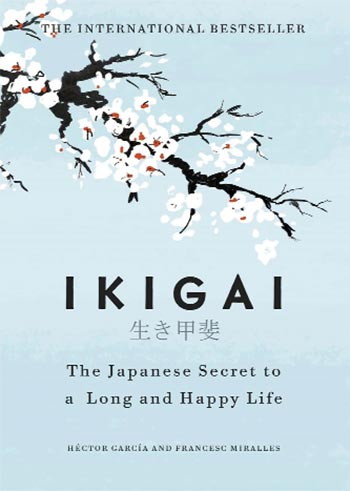 Ikigai is more than just a concept; it is a reflection on what makes life meaningful, offering insights that resonate deeply with readers across the world; it is a reflection on what makes life meaningful, offering insights that resonate deeply with readers across the world. The book unveils the Japanese philosophy of ikigai, a concept that loosely translates to "the reason for being." Rooted in Japan's cultural fabric, especially in the long-living community of Okinawa, ikigai represents a life guided by purpose, where each day is embraced with passion, balance, and mindfulness. For many readers, including myself, Ikigai provides an illuminating perspective on how we can transform our lives by reconnecting with a sense of purpose, a sentiment that is especially relevant in the fast-paced world we live in today.
From a psychological perspective, ikigai helps individuals' combat feelings of emptiness or anxiety, often stemming from a lack of direction. The pursuit of ikigai offers a sense of purpose that transcends materialistic goals, focusing on long-term contentment rather than fleeting pleasure. This is where the book truly excels-it does not simply offer advice but provides a framework that is rooted in cultural history and scientific research, making it a credible and trustworthy guide for anyone seeking a more meaningful life.
The lessons we can draw from Ikigai are not just theoretical; they are practical steps we can apply in our everyday lives. One of the key takeaways is the importance of starting small, an idea deeply embedded in Japanese culture. The Japanese word kaizen, which means continuous improvement through small, incremental changes, complements the ikigai philosophy. The book emphasizes that finding your ikigai does not require grand gestures or radical changes; it begins with small, conscious actions that align your daily routines with your passions and purpose. Whether it's dedicating time to a hobby, practicing mindfulness, or nurturing relationships, the essence of ikigai is to live fully in the moment while building toward a life of greater purpose.
In practical life, especially in Bangladesh, where the pressures of society often dictate a linear path of education, career, and family, the concept of ikigai offers a refreshing alternative. The emphasis in Ikigai on pursuing a balanced life that incorporates passion and purpose challenges the conventional norms many of us grew up with. In a society where success is frequently measured by material gains and social status, ikigai encourages individuals to pause and reflect on what truly matters. Bangladesh, like many developing nations, is experiencing rapid urbanization and industrialization, often leading to a detachment from cultural roots and personal fulfillment. The philosophy of ikigai can serve as a counterbalance to this, reminding us that life's purpose is not solely in wealth accumulation but in finding joy in our daily activities, relationships, and contributions to society.
One of the most powerful sections of the book is its discussion of community and its role in fostering a sense of purpose. In Okinawa, close-knit communities are an essential part of the residents' ikigai. The people are connected through a strong sense of social belonging, where every individual feels valued and supported. This idea can be particularly resonant in Bangladesh, where family ties and community networks are still strong, despite the pressures of modernity. If we can strengthen these bonds and cultivate environments where individuals feel seen and heard, we can create spaces that support personal fulfillment and collective well-being.
The book also delves into the importance of movement and physical well-being as integral parts of ikigai. The Okinawans practice gentle exercises like tai chi, and their active lifestyles keep them physically and mentally agile well into old age. In today's world, where sedentary lifestyles are increasingly common, integrating movement into daily life is crucial for both physical health and emotional stability. Whether it's taking a walk, gardening, or engaging in community sports, the emphasis on physical activity aligns the body with the mind, another key tenet of ikigai. For individuals in Bangladesh, where lifestyle diseases such as diabetes and heart disease are on the rise, adopting this approach can lead to improved health outcomes and overall life satisfaction.
The philosophical underpinning of ikigai extends beyond individual fulfillment. It offers a way to transform societal mindsets, encouraging communities to shift from a culture of constant competition to one of collaboration and mutual support. In the context of Bangladesh, where societal pressures often lead to a rigid definition of success, ikigai teaches us to value personal growth and community contribution over mere economic achievement. By following ikigai, individuals and societies alike can strive for balance, harmony, and long-term happiness.
Ultimately, Ikigai is not just a guide for individual transformation but a call for collective change. It teaches us that a fulfilling life is not about striving for perfection but about embracing the journey, finding joy in small moments, and living in alignment with our true selves. The book inspires us to seek out our passions, engage with our communities, and continuously strive for improvement, all while maintaining a sense of humility and purpose.
As we apply the lessons of ikigai in our lives, we can begin to see transformations in how we approach work, relationships, and even challenges. Whether it's the student seeking direction in career choices, the professional battling burnout, or the elder looking for renewed purpose, Ikigai offers timeless wisdom that speaks to all stages of life. By integrating the principles of ikigai from starting small, maintaining physical activity, and building meaningful connections we can lead a life that is not only successful by external standards but deeply fulfilling from within.
In linking this review to Bangladesh, we must recognize the potential ikigai holds in transforming individual lives and, by extension, societal structures. If more individuals in Bangladesh began to prioritize their passions alongside their responsibilities, we could foster a society that values creativity, mental well-being, and personal satisfaction over the relentless pursuit of economic success. In doing so, we move closer to a balanced, harmonious, and ultimately happier life, both for ourselves and for our communities.
Through the lens of ikigai, we realize that the journey to happiness is not external but internal, a profound realization that can reshape not only our individual lives but the very fabric of our society.
The reviewer is a Master of Technology student of Power Engineering at Indian Institute of Technology (IIT) Ropar
Loading...
Loading...



Editor : Iqbal Sobhan Chowdhury
Published by the Editor on behalf of the Observer Ltd. from Globe Printers, 24/A, New Eskaton Road, Ramna, Dhaka.
Editorial, News and Commercial Offices : Aziz Bhaban (2nd floor), 93, Motijheel C/A, Dhaka-1000.
Phone: PABX- 41053001-06; Advertisement: 41053012; 01793317829, 01550707291, E-mail: [email protected], [email protected] Online: email: [email protected] 41053014; 01550707297 Advertisement: 01550707296


