"Happy New Year 1429"
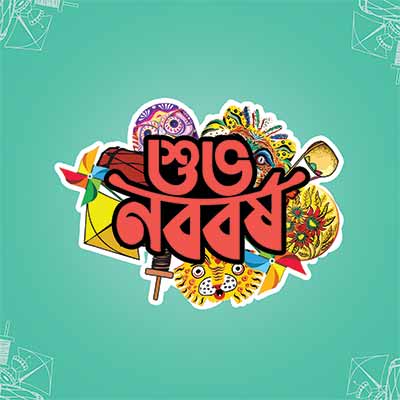
In Bangladesh, the Happy New Year (Shubho nababorsho) is celebrated yearly on 1st Baishakh which is the first day of first month of Bangla calendar. This day is for a comprehensive folklore festival. The Bangalees are habituated to welcome the day with festive mood with believing the symbol of welfare of new life. In the day, they also like to forget of past omission, shame of failure and to be anxious for new hope and prospect with peace and prosperity for the future.
The celebration of Bangla New Year's Day has been debuted during the Mughal rule of Emperor Akbar which has become an integral part of Bangalees since the Bangla calendar. The Bangla calendar was introduced by Mughal Emperor Akbar in 1556 of the Gregorian calendars. That time, the peasants of Bangla paid their rents to the Zamindars, Talukdars and other Landlords. On the occasion, the Landlords offered them sweets and arranged fairs with other celebrations.
Gradually, Pahela Baishakh got pleasing and festive mood comprising family and social lives with observing as prosperous Bangla New Year's Day. In the past, Halkhata was the basic festival of Bangla new year related to completely economic affairs. Then traders in villages, ganjs and towns unveiled their new register on the eve of the year. On the occasion, they invited their old customers and offered sweets in order to make their business relationship freshly.
The festival of the Bangla Nababarsho is embroiled in an inextricable manner with rural life which bears significance to the village dwellers. In the day, they like to eat and attire Bangalees' traditional food and dress respectively which are deemed as auspicious. In Bangla New Year's Day, friends, neighbours and relatives are like to get together through which close entertainments are made by pitha, payes and other indigenous foods. The villagers like to exchange greetings and presentations with each other. The city and town dwellers also follow the perpetual custom of the rural Bangalees.
Baishakhi fair is basically comprehensive mullaism fairs which creates dense festive mood in availabilities of local folk art-based cottage industrial products like vase, handicrafts, pottery, ceramic products etc. Besides, baby toys, lady toiletries, indigenous foods such as puffed rice, khoi, batasha, various sweets etc. are also found in the fairs. Diversified cultural entertainments also exist in the fairs like jatra, palagan, kobigan, jarigan, gazir gan, baul, marfoti, vatiali etc. Besides, tales of Laily- Moznu, Yusuf- Julekha, Radha-Khrishno are also presented often.
Demonstrations of film, drama, puppet dance, whirligig, circus etc play attractive roles for the fairs of Bangla Nababarsho. Besides, demonstration of bioscope is arranged for children's amusement. Now-a-days, the Baishakhi fairs are arranged in town areas in the tinge of urban culture which make genuine getting together of Bangalees. Therefore, the Baishkhi fairs are holders of our pleasing folklore culture of the Bangalees.
Many old Nababarsho related festivals have been rescinded and several new festivals have been added due evolution of times. The custom of punnaho festival was vehemently rescinded by dint of rescinding imperishable settlement. Then the Pahela Baishakh was the day of punnaho of Zamindar while the competitions of kite flying in Dhaka and cattle race in Munshiganj were very grandiloquent.
But now-a-days, the popular festivals of cattle race, kite flying, horse race, ox fighting, cock fighting, pigeon flying, boat regatta, polymorphic adornment etc., are not customary as the past. The ruck of Chattogram and the gombhira of Rajshahi are observed heftiest heartening mood for the existence of other regional celebrations.
Now-a-days, The Bangla New Year's Day (Bangla Nababarsho) is celebrated with profound solemnly for the urban life at the resemblance of the urban culture. In this day, generally, persons of all classes and aged attire traditional Bangalees' dresses. Frauledn ladies attire sharee of red purl, bangles on hands, flowers on heads, chaplets on throats, fingertip on foreheads and youths attire slacks and punjabi, somebody like to ware loincloth-punjabi too. In morning of the day, many like to have soaked rice with hilsha fish or fried hilsha fish. In this way, our rural tradition is preserved amid following indigenous custom to welcome the new year.
In capital Dhaka, the salutation of new year is arranged with glittering and festive manner where it creates an environment of getting together. People of a rejoicing tidal-wave at the Ramna green and its surrounding locations make a national bond at the dawn of Bangla New Year. Chhayanat welcomes the Bangla New Year amid chanting the circulated song of Rabindranath "esho hey baishakh, esho esho" at the crowded banian root of Ramna green which was debuted since Bangla Era 1372(1965 Christian Era).
The Bangla new year is also welcomed at the rathe celebration in the bottom of Mimusops elengi of the Fine Art Institution of Dhaka University. The festive Mangal Shobhajatra is also organized on the occasion. Artisans arrange colourful and dense attractive processions which the people of all classes enjoy in full swing. Many more cultural organizations, including Udichi, Sammilita Sangskritik Jote, Bangla Academy, Nazrul Institute, Bangladesh Shilpakala Academy etc. are also to chalk out several programs to celebrate the day. In this day, the grounds of martyr monument, TSC, all university area with fine art are transformed into colossal human ocean.
BTV, private Televisions and Bangladesh Betar disseminate special programs on Pahela Baishakh. Besides, newspapers publish special supplements regarding Bangabdo, Nababarsho and Banglalees' culture including research-oriented writings. The Tribal of Chattogram Hill Tracts observe traditional social-religious festivals "Boishabi" since primitive era. They arrange different kinds of games, cultural programs and primitive fairs.
In fine, Pohela Baishakh is observed amid the biggest non-communal attitude and universal festive manner. People from every sphere get together in absence of any discriminatory motive on religion and caste, rich and poor etc. On the day, the Bangalees get enlightened by heritage, cultural identity and glorious nationalism through harmonious festive manner. These feelings of nationalism tighten them together through which creative inspiration is made to fight for any struggle for the country's well-being.
Mir Mahfuzul Haque is a Retired Professor & Principal





