Ethno cultural characteristics of the culinary culture of Azerbaijan
Published : Saturday, 7 March, 2020 at 12:00 AM Count : 1406
There are lots of private dishes, pilafs and sweets cooked during theNovruz holiday. For example: Semeni halva, dashmaplov baked on Wednesday, pishi (flat bread baked on butter- Eshterek, Hamaml?shiveleri), qovur?a, qat-qatshekerbura (Quba) and so on.Xeshil, plov are cooked on the "winter feast" Which is called KiçikÇillev?yaX?d?rNebi // XizerNebi (6 weeks before Novruz ) in Azerbaijan. Azerbaijanis make special arrangements for the guest and make a special menu. There are kebabs, pilaf, fillings, salads, special sweets and so on. These dishes also have special types available for guests. For example, kelemdolmas? and yalanç? dolma are not allowed on the table at such gatherings. Put the mites on the mourning (sacrifice), according to the custom of the Oguz people described in Kitabi Dada Gorgud; for the wedding, for the banquet, the horse was cut off, the camel was roasted, and the ram was cut off: "Depekibi et y??, gölkibiq?m?zsa?d?r". Many of the names of dishes and drinks mentioned in Kitabi Dada Korkut, the native language monument of Azerbaijanis, are widely used to integrate the Turkic dialects and the literary language as well as the cuisine. As well as ritual meals include (hedik,quymaq, halva, umachalvas?, ter halva); seasonal dishes (qovutdo?ramac, yay dov?as?), while moving to summer and winter pasture: a??zsulu?u (serinleshdirici), qarköremezi// qarl?köremez (qaraqoyununtezesa??lm?shsüdüqarlaqar?shd?r?l?r). Bad neighbors try to absorb our music, carpets, and national dishes as they look at our lands, and present them to the world as their cultural achievements. Of course, it is possible to benefit from the contributions, wealth and spiritual values that any nation has made to humanity. But it is not possible to assimilate, steal, or gain the reputation of others. Therefore, at the initiative of Mrs. MehribanAliyeva, Azerbaijan was included in the UNESCO list of non-material heritage: mugam, carpet, Maiden Tower, Shirvanshahs palace, IcheriSheher, musical instruments and more. In addition to this, Azerbaijan national cuisine includes lavash, fillings and pilaf.
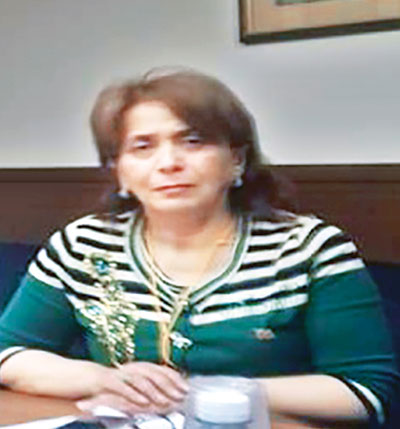
Mirvari Abbas Qizi Ismayilova
It is the duty of everyone to safeguard our rich cultural heritage. Both the state, the scientist and the citizen. Explore the rich and ancient history of Azerbaijani cuisine in a nation-wide context, explaining the names and meanings of these food and drink names in the dialects of Azerbaijan, as well as demonstrating the rules for preparing and serving each region of Azerbaijan. is very important from the point of view. One of the indispensable dishes of Azerbaijani cuisine is the "lavash". In linguistics, for the origin of "lavash", the word is interpreted as two parts ("lava // lay"; "ash" means food in Turkish), that is, "lavash" means layers of food. Lavash has always played a special role in the Turkish diet. They used this type of bread during their military marches and travels. Cooking Lavash is not a problem. You can cook it in the open air, anywhere. For this purpose, the Turks used iron disc that was not difficult to carry. The oldest iron disc belongs to the 4th millennium (clay disc). Iron discs belong to the later period. A few weeks' worth of lavash does not lose its quality. You can sprinkle a little water on the lavender and make it ready for dinner. On the way, you can wrap up cheese, soup, sour cream, butter into lavash and eat it comfortably without falling from the horse. This dish is called "dürmek" by Azerbaijan as well as by other Turks. Lava? cooked on the iron disc for baking bread is more delicious than baking in the oven. Baked as a winter feed, it can be stored for weeks and months without losing its quality. This is especially true for the harsh regions of Azerbaijan. Today Armenians fabricate all sorts of lies to make "lavash" their own. However, Armenians do not cook "lavash" on an iron disc. This fact proves that the tradition of baking lavash in the dish belongs to Azerbaijanis and Turks. Azerbaijanis have been able to live in harmony with nature. "Kete- qutab" cooked from the herbs collected from the mountains on the way is very tasty and full. The iron disc for baking bread is also used for cooking. The dishes that are made on the disc are called the "saciçi". The oldest and most popular "saciçi" dish is "qovurma". Lavash is the name of a "type of bread with a wide dialectal range", which belongs to Turks, not just Azerbaijanis. In the ancient Chagatai language, the word "lavash" also refers to many delicate items and foods. Thin bread is also included here. In Azerbaijan, sour, spicy juice made from cherry, plum, corn and other fruits is also called lavash. In the M. Kashghari dictionary, it means layered, stratified "köke" . The names of dishes and drinks of the Azerbaijani cuisine have a long history and etymology. Therefore, it is important to gather each of them from ancient times to the present, taking into account dialect and accents variants.The names of the dishes used in Kitabi Dada Gorgud (yexni (qovurma), qaraqovurma, shishlik, yo?urt, bazlamac, kümec, etmek, q?m?z (at südü, içki) are very old in their history, but these dishes are now popular among most Turkic peoples. At the same time, it is widely used in the cuisine of the world (yo?urd//yoqurt, qolbasar//kolbasa, somu) integrating into the modern diet of the modern world. It is noteworthy that the knowledge of the Azerbaijani language of food and drink at the dialect level. The fact that these dialects, which have historically been preserved in many regions, preserve the ancient lexicon of the language. It once again proves that these food and drink names are examples of culinary culture that is an integral part of our culture. The mutual analysis of the names of Azerbaijani dishes and drinks with the cuisines of the Turkic peoples, especially Turkey (Kars, Anadolu) and other Turkic peoples shows that the names of Azerbaijan's dishes and drinks are part of Turkish cuisine. M. Huseynova tried to study the names of food and drink in the "Historical-etymological dictionary of the names of food and drink of the Azerbaijani language", as well as in the Turkic context. And gave an etymology of the names of foods by referring to many sources. For example, avzuri is the name of archaic type of bread ; the name of the dish that tastes like cheese ; a? - any kind of food; as banquet, guest, meal name. Our evil neighbors have always looked at our wealth and wanted to make a name for themselves. The fact that today more than 20% of our historical land is under occupation also means the destruction and oblivion of our vast material and spiritual monuments. However, our goal is not only to collect and preserve our historical monuments, material and spiritual wealth under occupation, but also to protect every value related to Azerbaijan's history, language, and cultural heritage. Azerbaijani national cuisine should be protected as the material and spiritual wealth of the people. Familiarity with the Azerbaijani cuisine, rich and colourful names of dishes and drinks gives us the courage to think that culinary culture, such as language formation, early migration, first dialect disintegration, is one of the "oldest cultural centres" in the world. It is connected with Azerbaijan. Culinary culture, such as language formation, initial migration, first dialect disintegration, is the main sign of the modern human type, and is associated with Asia, Azerbaijan, one of the oldest cultural centres in the world. The writer is professor, Azerbaijan State Pedagogical University Professor
Published by the Editor on behalf of the Observer Ltd. from Globe Printers, 24/A, New Eskaton Road, Ramna, Dhaka.
Editorial, News and Commercial Offices : Aziz Bhaban (2nd floor), 93, Motijheel C/A, Dhaka-1000. Phone: PABX- 41053001-06; Online: 41053014; Advertisement: 41053012.
E-mail: district@dailyobserverbd.com, news@dailyobserverbd.com, advertisement@dailyobserverbd.com, For Online Edition: mailobserverbd@gmail.com



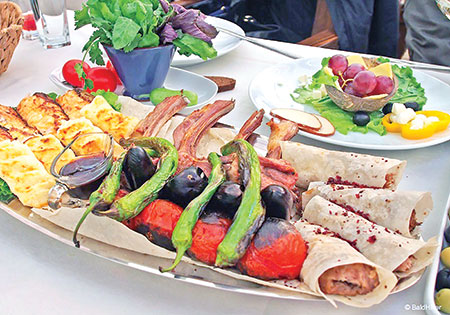 There are lots of private dishes, pilafs and sweets cooked during theNovruz holiday. For example: Semeni halva, dashmaplov baked on Wednesday, pishi (flat bread baked on butter- Eshterek, Hamaml?shiveleri), qovur?a, qat-qatshekerbura (Quba) and so on.Xeshil, plov are cooked on the "winter feast" Which is called KiçikÇillev?yaX?d?rNebi // XizerNebi (6 weeks before Novruz ) in Azerbaijan.