Bangladesh is one of the fastest-growing economies in the world, with an average annual growth rate of 6.8% from 2010 to 2020. The country has also made remarkable progress in reducing poverty, improving human development, and enhancing social welfare. However, unlike some of its neighbors, Bangladesh has not fallen into the trap of excessive borrowing from China, which has been accused of engaging in debt-trap diplomacy. How did Bangladesh manage to avoid this fate and what role did the Hasina government play in this regard?
One of the key factors that helped Bangladesh avoid the Chinese debt trap is its diversified and strategic borrowing from various sources. According to the latest data from the World Bank, Bangladeshs total external debt stood at $66.5 billion as of 2021, of which 80% came from multilateral and bilateral creditors, such as the World Bank, the Asian Development Bank, and the Japan International Cooperation Agency. These creditors offer concessional loans with low-interest rates and long repayment periods, which reduce the debt burden on the country.
In contrast, Bangladeshs debt to China was around $4 billion, which constituted only 6% of its total external debt. This shows that Bangladesh has been careful not to rely too much on China for its financial needs, unlike some other developing countries that have taken large loans from China for infrastructure projects under the Belt and Road Initiative (BRI). Bangladeshs ex-Finance Minister AHM Mustafa Kamal has warned that countries, especially developing nations, must think twice before taking more loans through the BRI, as they may face difficulties in repaying them.
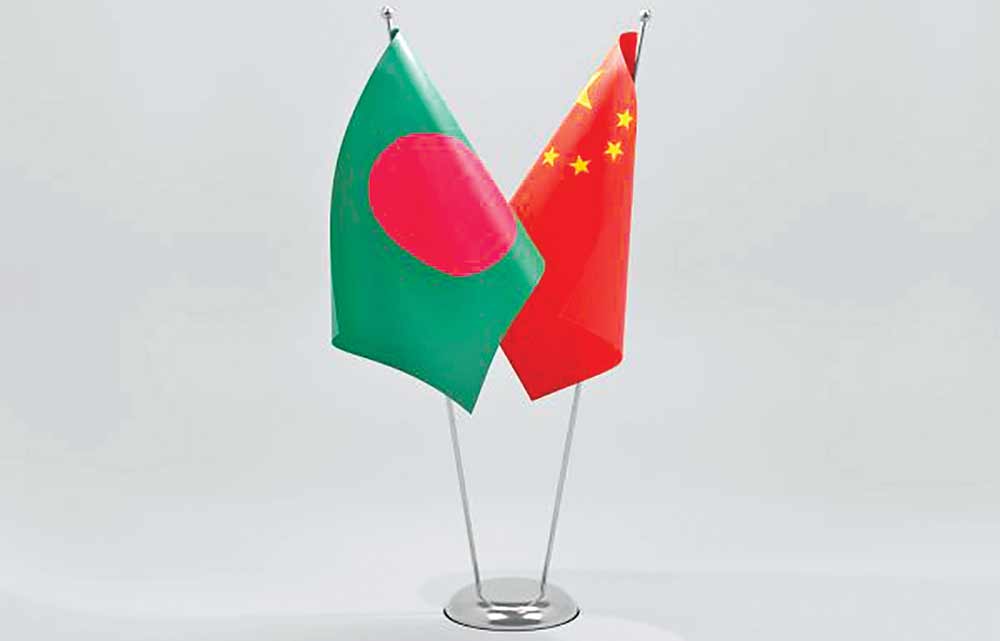
Another factor that helped Bangladesh avoid the Chinese debt trap is its cautious and prudent approach to dealing with China. The Bangladeshi government has stated that the country would not fall into the so-called Chinese debt trap as the lions share of its debt came from international agencies and institutions. The government has also maintained a balanced and independent foreign policy, without compromising its sovereignty or national interests.
For instance, Bangladesh has rejected Chinas offer to fund the Padma Bridge project, which is the largest infrastructure project in the countrys history. The project, which aims to connect the south-western region of the country with the capital Dhaka, is being financed by the Bangladeshi government itself, with some assistance from the World Bank and other donors. The government decided to fund the project on its own after allegations of corruption surfaced in the initial agreement with the World Bank. Prime Minister Sheikh Hasina, who is the leader of the ruling Awami League party, has shown her determination and vision by taking this bold decision, which has boosted the countrys self-reliance and confidence.
A third factor that helped Bangladesh avoid the Chinese debt trap is its awareness and vigilance of the potential risks and challenges posed by Chinas growing influence in the region and beyond. The government is well aware of the examples of other countries that have faced difficulties in repaying Chinese loans, leading to the loss of strategic assets or sovereignty. For example, Sri Lanka had to hand over the Hambantota Port to China on a 99-year lease after failing to repay the debt. Similarly, Zambia has been struggling to repay its debt to China, which amounts to nearly half of its GDP, and has faced the threat of losing its state-owned assets, such as the national broadcaster and the power utility.
The government is also aware of Chinas investments in many ports and other infrastructure projects in Africa and Asia, which are seen as part of its strategy to expand its geopolitical and economic clout. The government has therefore been careful not to accept any projects that may compromise its national security or interests. For example, the government has turned down Chinas proposal to build a deep-sea port in Sonadia Island, citing environmental and strategic concerns.
Bangladesh has avoided the Chinese debt trap and achieved economic growth by following a diversified and strategic borrowing policy, a cautious and prudent approach, and an awareness and vigilance of the potential risks and challenges. The Hasina government has played a significant role in this regard, by showing its leadership, vision, and commitment to the countrys development and sovereignty. Thegovernment has also received congratulations and support from many countries, including the US, India, Japan, and the UK, for its successful conduct of the general elections in 2024 and its formation of a new government. With the new year and the new government, Bangladesh is poised to continue its trade and cooperation with the international community, while maintaining its independence and integrity. The country is an example of how a developing nation can avoid the Chinese debt trap and achieve economic growth.
The writer is a Former ICCR Scholar, Columnist, Researcher, B.tech in Electrical Engineering, NIT Durgapur, India