





| HEADLINE |

|
Md Imdadul Haque Sohag
Columnist, geopolitical and policy analyst, researcher, and entrepreneur
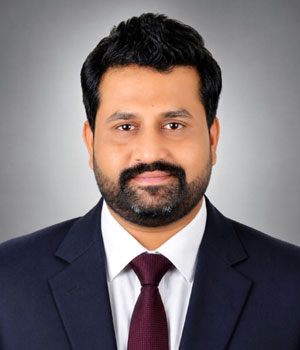 Md Imdadul Haque Sohag is a columnist, geopolitical and policy analyst,
researcher, and entrepreneur. His research and writing focus on the
Indo-Pacific, maritime governance, South Asian geopolitics, water and
climate security, and regional connectivity. He writes regularly on
strategic affairs, public policy, and Bangladesh's emerging role in the
Bay of Bengal and the wider Indo-Pacific.
Md Imdadul Haque Sohag is a columnist, geopolitical and policy analyst,
researcher, and entrepreneur. His research and writing focus on the
Indo-Pacific, maritime governance, South Asian geopolitics, water and
climate security, and regional connectivity. He writes regularly on
strategic affairs, public policy, and Bangladesh's emerging role in the
Bay of Bengal and the wider Indo-Pacific.
Md Imdadul Haque Sohag
 December 2026 will mark more than another diplomatic milestone in South Asia. It will present Bangladesh and India with a consequential choice over the future governance of one of the region’s most important transboundary river systems. As the 1996 Ganges
Md Imdadul Haque Sohag
 On August 24, 2026, the government gazetted the Import Policy Order 2026-2029. It permits industrial and commercial importers to use sales or purchase contracts, alongside letters of credit, without the previous annual US$500,000 non-LC cap, subject to applicable rules. It
Md Imdadul Haque Sohag
 Bangladesh is a downstream delta. That does not mean it must remain downstream in the decisions that shape its future. Rivers descend from the Himalayas. Nepali hydropower can reach Bangladesh through India. Regional goods can move through Bangladeshi roads, railways,
Md Imdadul Haque Sohag
 When this geopolitical discourse began with an initial five-part series in August 2025, Bangladesh’s debate was anchored in a familiar dilemma: how could Dhaka navigate the competing interests of major powers without surrendering its strategic autonomy? Now, as this second
Md Imdadul Haque Sohag
 Bangladesh’s blue economy will not emerge from another catalogue of the Bay’s riches. It will depend on harder choices: who may use those resources, where, on what terms and at what ecological cost.Fisheries, shipping, energy, tourism, conservation, research and security
Md Imdadul Haque Sohag
 Bangladesh’s maritime future relies not merely on a visionary outlook, but on robust governance architecture capable of executing it. The historic boundary verdicts of 2012 and 2014 were rightly celebrated as diplomatic masterstrokes; yet, translating those legal rights into tangible
Md Imdadul Haque Sohag
 Bangladesh has entered the Bay of Bengal’s strategic age. The question is no longer whether the Bay matters. It already carries the country’s trade, energy security, climate exposure, digital connectivity and diplomatic choices into one crowded maritime space. The harder
Md Imdadul Haque Sohag
 The Bay of Bengal is no longer a passive frontier at Bangladesh’s southern edge. It is the strategic space where the country’s trade, energy security, climate resilience, digital connectivity and diplomatic autonomy increasingly intersect.For Dhaka, the Bay is not a
Md Imdadul Haque Sohag
 A banking system is not sustained by buildings, branches, or balance sheets alone. It is sustained by trust. Every deposit, loan document, statement of account, and customer relationship rests on one fundamental expectation: a bank must be able to explain
Md Imdadul Haque Sohag
 The Cottage, Micro, Small, and Medium Enterprise (CMSME) sector drives Bangladesh’s economic survival. It contributes roughly 25 percent to the national GDP. It generates nearly 80 percent of all non-agricultural employment. This sector anchors localized value creation and industrial growth.
LATEST NEWS
- Manager set on fire after refusing free liquor in Narsingdi
- UN has survived, but question is how effective it is: Khalilur Rahman
- Former PP arrested in Sunamganj sabotage case
- Trawler sinks in Bay, 11 fishermen rescued, 2 missing
- Primary teachers’ appointment, posting schedule announced
- Messi’s final goodbye comes in a special Adidas jersey
- Biman to sign deal with Boeing for 11 more aircraft
- Bangladesh cannot bear Rohingya crisis burden alone
- Global INFRAESTATE Conclave 2026 held in Dhaka
- Tarique Rahman lands in New York
- No Trump-Tarique meeting: Humayun Kabir
- South Asia fuel prices: How Bangladesh compares to neighbours
- Ex-UK envoy Muna, family members barred from leaving country
- Students declare all-out shutdown at CUET
MOST READ

Editor : Iqbal Sobhan Chowdhury
Published by the Editor on behalf of the Observer Ltd. from Globe Printers, 24/A, New Eskaton Road, Ramna, Dhaka.
Editorial, News and Commercial Offices : Aziz Bhaban (2nd floor), 93, Motijheel C/A, Dhaka-1000.
Phone: PABX- 41053001-06; Advertisement: 41053012; 01793317829, 01550707291, E-mail: [email protected], [email protected] Online: email: [email protected] 41053014; 01550707297 Advertisement: 01550707296
Published by the Editor on behalf of the Observer Ltd. from Globe Printers, 24/A, New Eskaton Road, Ramna, Dhaka.
Editorial, News and Commercial Offices : Aziz Bhaban (2nd floor), 93, Motijheel C/A, Dhaka-1000.
Phone: PABX- 41053001-06; Advertisement: 41053012; 01793317829, 01550707291, E-mail: [email protected], [email protected] Online: email: [email protected] 41053014; 01550707297 Advertisement: 01550707296


