





| HEADLINE |

|
Shahnaj Begum
Shahnaj Begum
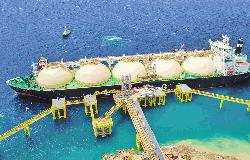 In a striking move that could reshape Bangladesh's energy future, Russian energy giant Novatek has proposed building a $950 million offshore LNG terminal in the Bay of Bengal - a structure designed to weather cyclones, outlast conventional terminals by decades,
Shahnaj Begum
 Bangladesh is preparing to press for climate justice, predictable international finance and a just transition at next month’s COP31 climate summit in Türkiye, while showcasing its jute industry as a sustainable alternative to plastic.Scheduled to take place from November 9
Shahnaj Begum
 Saudi Arabia, home to a large Bangladeshi expatriate community that sends substantial remittances to the country, has around 2,500 Bangladeshis in its prisons, 147 of whom have been sentenced to jail terms ranging from one month to 15 years, according
Shahnaj Begum
 Petrobangla has drastically reduced prices for offshore oil and gas exploration data, cutting the cost of some packages from more than $500,000 to just $5,000 and making four packages completely free in a renewed bid to attract international companies to
Shahnaj Begum
 Petrobangla has finally cut the prices of offshore data packages substantially, making four packages completely free and offering steep discounts on six others, according to sources.Under the Offshore Bidding Round-2026, Petrobangla has 10 Data Sales Packages (DSTs). The highest price
Shahnaj Begum
 Bangladesh is again staring into the same deep pit of questions. The government’s move to reconsider open-pit coal mining in Dinajpur-a densely populated region-raises more questions than answers. The country’s severe energy and power crisis cannot justify a revival that
Shahnaj Begum
 Bangladesh could face mounting risks to its coast, freshwater resources and energy security as new climate research warns that some impacts of global warming are already irreversible and that the choices made today will determine the scale of future damage.The
Shahnaj Begum
 LPG is not a luxury; it’s a necessity now. But the Bangladesh Energy Regulatory Commission's October price announcement did not echo it. When the BERC had raised the official price of a 12-kilogramme LPG cylinder by Tk 252 to Tk
Shahnaj Begum
 Bangladesh’s liquefied petroleum gas (LPG) market has come under scrutiny over the affordability of cooking fuel, the transparency of price determination and allegations of overcharging at the retail level. Questions have also been raised about import costs, shipping charges, market
Shahnaj Begum
 Bangladesh has cleared a major hurdle on the way to nuclear power generation, with the Bangladesh Atomic Energy Regulatory Authority (BAERA) on Thursday granting permission for a controlled nuclear reaction to begin at Unit 1 of the Rooppur Nuclear Power
LATEST NEWS
- CUET students to resume classes on Oct 28 after 34 days
- By-election to vacant seat of Mishti: Nominations close today
- Mother, son killed in road accident
- Administration holds meeting as Sajek blockade enters day 5
- Iliyas Kanchan showing signs of improvement
- Racial slurs, election scandals: Israel’s bitter battle for power
- Cyclone 'Arnab' forms in Bay, signal 2 issued for ports
- Viral web game 'Baper Rasta' takes social media by storm
- Today's games on TV – Oct 26
- BB website restored after cyber security fix
- Janata Bank's website hit by cyberattack
- Gold prices fall
- US may strike Iran today: Trump
- Nearly 1,000 arrested as clashes follow another day of mass protests across France
MOST READ

Editor : Iqbal Sobhan Chowdhury
Published by the Editor on behalf of the Observer Ltd. from Globe Printers, 24/A, New Eskaton Road, Ramna, Dhaka.
Editorial, News and Commercial Offices : Aziz Bhaban (2nd floor), 93, Motijheel C/A, Dhaka-1000.
Phone: PABX- 41053001-06; Advertisement: 41053012; 01793317829, 01550707291, E-mail: [email protected], [email protected] Online: email: [email protected] 41053014; 01550707297 Advertisement: 01550707296
Published by the Editor on behalf of the Observer Ltd. from Globe Printers, 24/A, New Eskaton Road, Ramna, Dhaka.
Editorial, News and Commercial Offices : Aziz Bhaban (2nd floor), 93, Motijheel C/A, Dhaka-1000.
Phone: PABX- 41053001-06; Advertisement: 41053012; 01793317829, 01550707291, E-mail: [email protected], [email protected] Online: email: [email protected] 41053014; 01550707297 Advertisement: 01550707296


